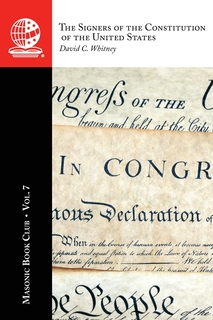
Many years ago William E. Gladstone, eminent British statesman, described the Constitution of the United States as “the most wonderful work ever struck off at a given time by the brain and purpose of man.” The men who created the document have been described by enthusiastic speakers as “divinely inspired” and also as being “demi-gods.”
Category: Books
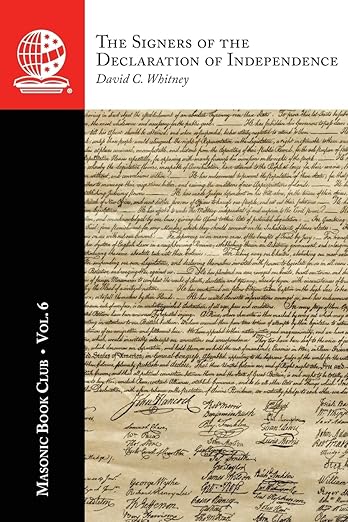
The Masonic Book Club, Vol. 6: The Signers of the Declaration of Independence
here is nothing quite so vital in this life as a timely idea. Obversely, there is nothing as futile as an idea proposed before people are ready to accept it. The civilized world was ready for Martin Luther when he nailed his ninety-five theses on the front door of Wittenberg Cathedral in 1517; but Galileo, being born fifty years too soon, would have been burned at the stake had he not recanted his theory of a round world in 1632.
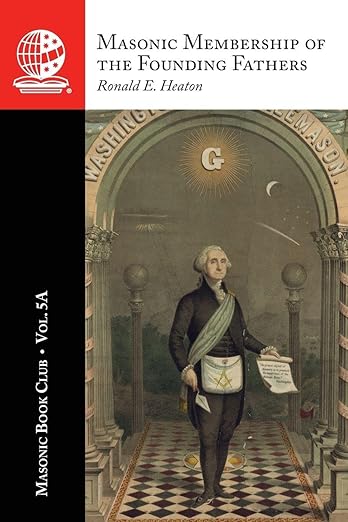
The Masonic Book Club, Vol. 5A: Masonic Membership of the Founding Fathers
Running through all the events of the founding of our Nation, the desire for Liberty was the one factor that controlled every thought-that motivated every action. As our Founding Fathers watched the gathering storm and experienced the continuous acts of repression passed and practiced by their British rulers, the need for Freedom: freedom of thought, of speech, of peaceable assembly, of political action-determined every move they made, every step they took.
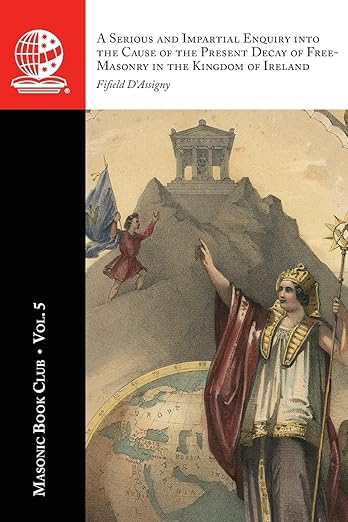
The Masonic Book Club, Vol 5: A Serious and Impartial Enquiry into the Cause of the Present Decay of Free-Masonry in the Kingdom of Ireland
This fifth volume of the Masonic Book Club presents material that is rare and not easily accessible to the average Masonic reader. Dr. D’Assigny’s works are not earth-shattering. His literary effort should be read in the light of the days in which he lived. They caused only a faint ripple in a narrow field when they were published, and very promptly dropped from sight, only to be unearthed over a century later. They are curiosities, yet; but most interesting curiosities. His Serious and Impartial Enquiry engages in the usual flights of historical fantasy, after the pattern so well initiated by Dr. James Anderson a few years before. His Answer to the Pope’s Bull and his Answer to the Enemies of Free-Masonry may have required more courage than most of us realize today. So let us not underestimate the effect such a strong defense of the Craft might have had upon the readers of that day.
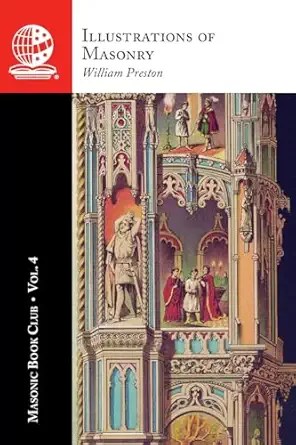
The Masonic Book Club, Vol. 4: Illustrations of Masonry
Its influence on our ritual structure cannot be overestimated. Brother Callaway speaks of its use in Georgia. Speaking of Illinois ritual, Preston is followed in literally hundreds of phrases. Preston conceived of Masonry as a great educational force. He collected, refined and polished its language and imagery, and left us a Masonic heritage to last throughout the centuries.
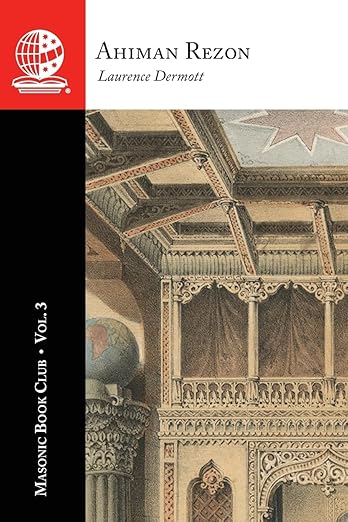
The Masonic Book Club, Vol. 3: Ahiman Rezon
Laurence Dermott, a pivotal figure in 18th-century Freemasonry, rose from obscurity to become Grand Secretary of the Ancient Grand Lodge in 1752. Dermott, alongside other influential Masonic figures like James Anderson and William Preston, played a crucial role in shaping Masonic history during its period of organization and growth. Known for his dedication to the Ancient Grand Lodge and his promotion of the Royal Arch ceremonies, Dermott was both admired for his intellectual achievements and criticized for his polemical style. His work, “Ahiman Rezon,” served as a foundational text for the Ancient Grand Lodge, rivaling Anderson’s “Constitutions” and influencing Masonic practices in various regions. Dermott’s legacy is marked by his unwavering commitment to Freemasonry, despite his contentious approach toward the Moderns.
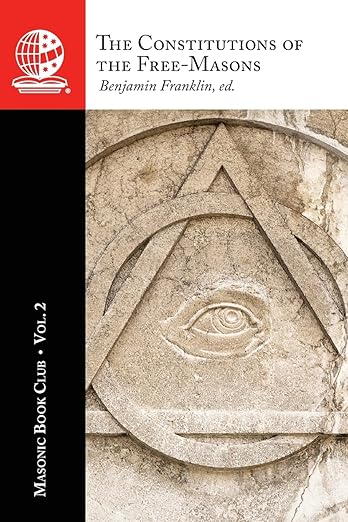
The Masonic Book Club, Vol. 2: The Constitutions of the Free-Masons
Benjamin Franklin’s 1734 publication of The Constitutions of the Free-Masons stands as a landmark in both American printing and fraternal history. Essentially a reprint of Dr. James Anderson’s 1723 original British version, Franklin, who was himself the Grand Master of Pennsylvania at the time, produced the volume to provide a standardized framework for the growing number of lodges across the colonies. Beyond its organizational utility, the book is a testament to Franklin’s spirit and his deep alignment with Enlightenment-era ideals like secular morality, self-improvement, and civic duty.
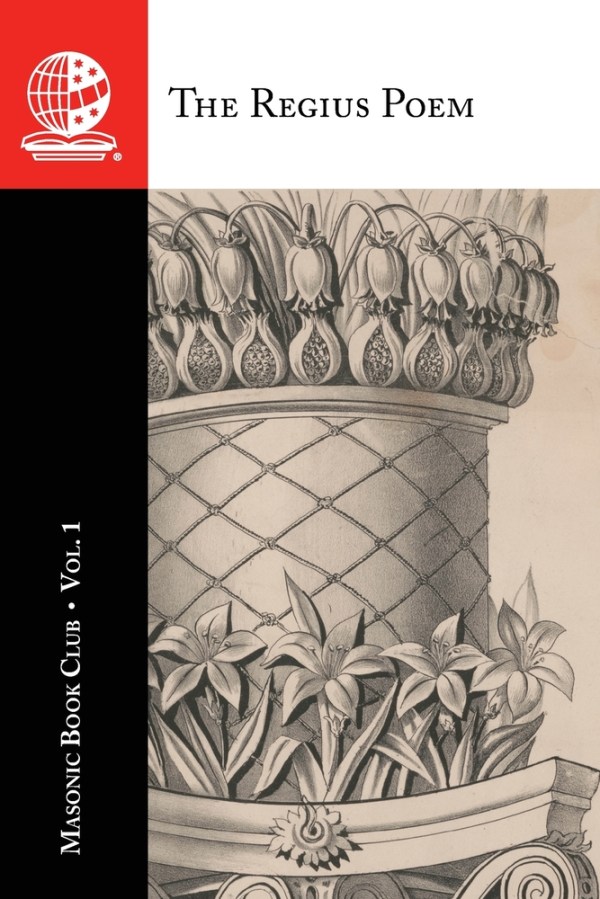
The Masonic Book Club, Vol. 1: The Regius Poem
THE OLDEST EXTANT DOCUMENT in the world with direct Masonic significance is the poem known as The Regius Poem, sometimes described as the Regius Manuscript or the Halliwell Manuscript. It is believed to have been written around the year 1390; and as indicated in line 143 of the Poem itself, it is believed to have been copied from an older document.
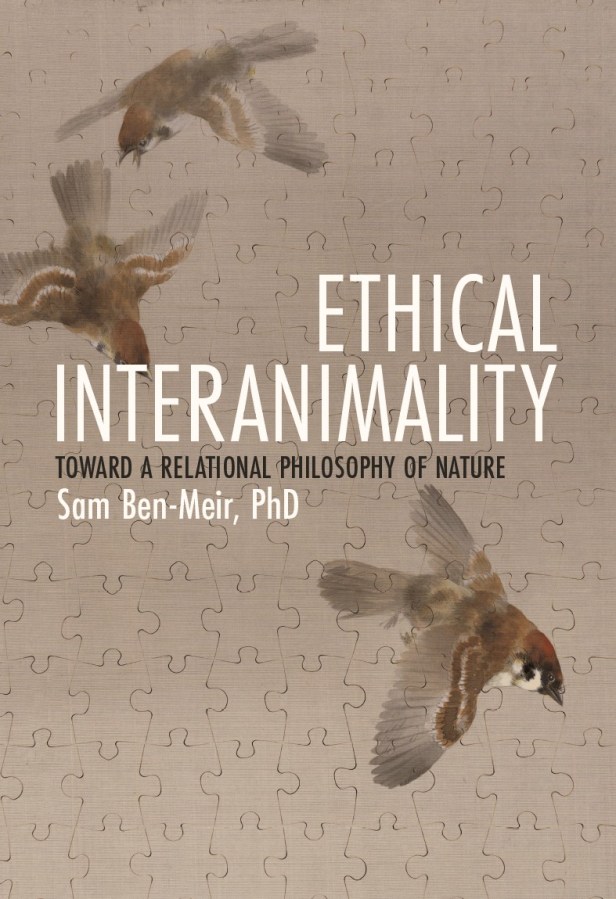
Ethical Interanimality: Towards a Relational Philosophy of Nature
What if nature is not a collection of separate beings, but a living web of relations? Ethical Interanimality argues that every creature—human and nonhuman alike—comes into being through its encounters with others.
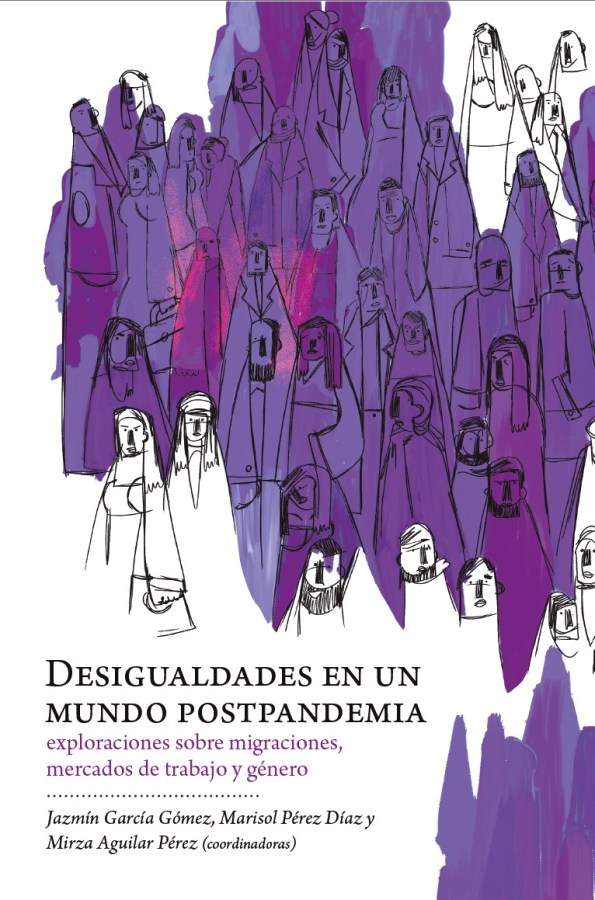
Desigualdades en un mundo postpandemia
Este libro titulado Desigualdades en un mundo postpandemia: exploraciones sobre migraciones, mercados de trabajo y género, presenta un conjunto de propuestas y debates necesarios para repensar las políticas públicas y laborales, con enfoques que favorezcan la equidad de género y el respeto a los derechos humanos de los migrantes desde una visión tanto local como global.
The Masonic Book Club
The Masonic Book Club (MBC) was formed in 1970 by two Illinois Masons, Alphonse Cerza,
33°, and Louis L. Williams, 33°. The MBC primarily reprinted out-of-print Masonic books with scholarly introductions; occasionally they would print additional texts as “bonuses.” Westphalia Press is republishing the series for greater accessibility.

Freemasonry in Mexico: A Secret Heritage
In this thought-provoking book, De Los Reyes argues that Freemasonry, through its lodges, played a decisive role in shaping Mexico’s national thought, contributing to the creation of a liberal and secular State and fostering anticlerical sentiments among the laity that endured well into the twentieth century.

The 32nd Infantry “Red Arrow” Division in World War II
From Buna to Aitape, from Leyte to Luzon, the 32nd not only fought the Japanese but weather, terrain, and at times their own higher headquarters. The 32nd was the first formation deployed in combat in the Pacific at Buna.

Fathoming Trump: “It’s All About the Devils in My Mind”
This book is about Donald J. Trump, the billionaire who become the 47th president in 2025, after losing the 2020 presidential election following his term as the 45th president. He brings to his presidency, his flawed character—his arrogance, unpredictability, overhastiness, and changeability, his rejection of traditional principles of presidential governance, public policy, and diplomacy, and his willingness to lie, bullshit, and trust only his instincts, conspiracy theories, and sycophants.
Contours of Being and Becoming: Identity, Memory, and Cultural Encounters
This project stems from an urgent need to question the human condition within the actual sites of interconnections and divisions, creating glocal bridges and borders. It explores thus a wide range of topics related to identity and culture, and their intersections in thought and society.

33° Scottish Rite Masons of the Southern Jurisdiction Who Served in US Congress
Since its founding on May 31, 1801, the Scottish Rite has, like all aspects of Freemasonry, made an impact on America. The Supreme Council, 33°, Ancient and Accept Scottish Rite of Freemasonry for the Southern Jurisdiction, USA, has been particularly blessed to have had a significant number of our most decorated members serve in the Congress of the United States. This book, years in the making, provides a carefully researched and documented biographical dictionary listing the members of Congress who held the highest honor of Scottish Rite, that of the 33rd degree. This reference volume should prove useful to researchers of general history, but most especially to Masonic researchers.

Lotus in the Desert – Mahapajapati: A Theravada Nunnery in California
Lotus in the Desert is Mahapajapati, A Theravada Nunnery, in California that is reviving the Theravada nuns’ lineage broken for the past several centuries.

Welcome to the War Economy!
While China has been preparing for this new Cold War for ten years, will our Western democracies be able to adapt? David Baverez calls for a collective awareness of the changing international balance of power. And at a time when companies are having to contend with profound shifts in value, he suggests measures they can take to rapidly deal with chaos and ensure their survival.

Born in the Desert: The Education of a Saudi Nomad and the Rise of Modern Saudi Arabia
Born in the Desert is the remarkable story of Dr. Faisal Al-Mershed who was born a Bedouin to an illiterate family and rose to the highest levels of educational and professional achievement. His life parallels the rise of Saudi Arabia from an underdeveloped, nomadic kingdom to one of the largest and most dynamic economies in the world today.
Dr. Faisal Al-Bashir Al-Mershed is the former Saudi Deputy Minister of Planning, Chairman of SHARACO (Al Dur Hospitality), and member of the Supreme Economic Council. He holds a PhD in Econometrics from the University of Arizona.

The Original Indiana Territory: It Was in West Virginia
Virgil Anson Lewis (1834–1902) was an American historian, archivist, and educator known for his significant contributions to the historical understanding of West Virginia, particularly during the early days of the state’s formation. He played a pivotal role in preserving and documenting the history of the region through his research, writing, and public service.
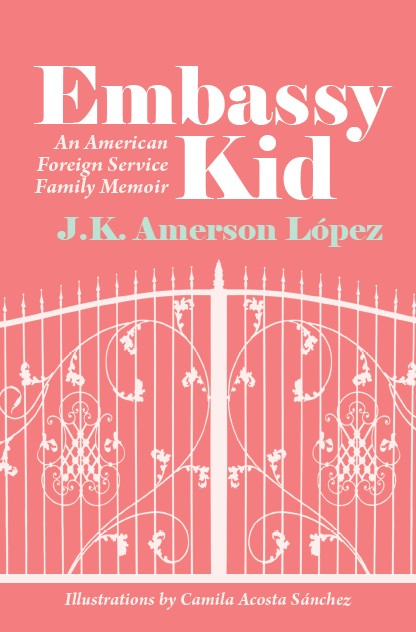
Embassy Kid: An American Foreign Service Family Memoir
Embassy Kid: An American Foreign Service Family Memoir follows Robert and Nancy Amerson, a courageous couple from the American Heartland, and their two daughters as they carry out the mission of the US Information Agency to “win hearts and minds for democracy” in Latin America and Europe during the Cold War. Celebrating the 100th anniversary of the U.S. Foreign Service, Embassy Kid pays timely tribute to our diplomats and their families who sacrifice safety, security, and stability while representing America thousands of miles from home.
Reprints of Rituals of Old Degrees
Originally printed by Albert Pike in 1879, this enlarged edition includes a variety of important early rituals. In 1789 the Grand Lodge of Pennsylvania chartered a lodge in Port-au-Prince, which introduced “Ancient York” Masonry to Saint-Domingue.
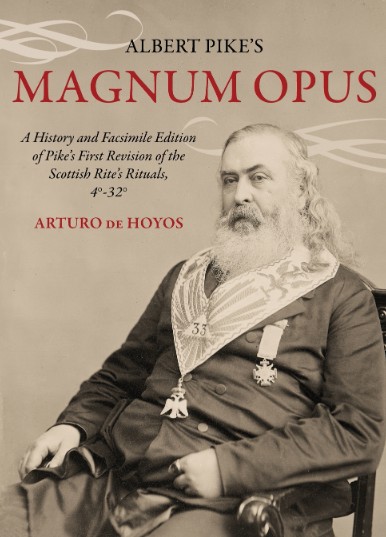
Albert Pike’s Magnum Opus: A History and Facsimile Edition of Pike’s First Revision of the Scottish Rite’s Rituals, 4°-32°
In 1855 the Scottish Rite’s “Mother Supreme Council of the World” at Charleston, S.C., appointed a committee of five persons to review and standardize its initiation ceremonies and rituals. Only one person completed the task, 46-year-old Albert Pike who would ultimately become the most influential Scottish Rite Mason in history.

De la socialización a la subjetivación: Antología de la memoria
Este libro representa para la autora una especie de cierre en la línea de investigación sobre el tema de la identidad, desde el cual se llegó al tema de la subjetivación, para finalmente arribar al tema del cuerpo.

Uganda in Transformation, 1876-1926
This never-before-published work includes the complete collection of rituals which Albert Pike received when he joined the Scottish Rite in 1853. After receiving the degrees, Pike borrowed the manuscript rituals, and over the next two years he transcribed his own copies. He later used these texts to create his revision of the Scottish Rite rituals. This book answers the question: “What was the Scottish Rite like before Albert Pike?”

Murder on Madison Street
From a batch of letters he found in his father’s files, Larry Roth has put together a first-hand glimpse of what life was like for a young man in postwar East Germany. From the ruins of firebombed Dresden to the University of Leipzig, we follow Christoph Haufe (1925–1992) as he describes to his American benefactors what it takes to navigate the many changes he encounters from 1948 to 1959, when the letters end abruptly.

Letters from East Germany: The Postwar Journey of Christoph Haufe
From a batch of letters he found in his father’s files, Larry Roth has put together a first-hand glimpse of what life was like for a young man in postwar East Germany. From the ruins of firebombed Dresden to the University of Leipzig, we follow Christoph Haufe (1925–1992) as he describes to his American benefactors what it takes to navigate the many changes he encounters from 1948 to 1959, when the letters end abruptly.
Light on Masonry: The History and Rituals of America’s Most Important Masonic Exposé
The disappearance and presumed murder of William Morgan in 1826, by Masons, set off an intense anti-Masonic period which lasted until ca. 1842. The fraternity, which was once called the “handmaid of religion,” was denounced as an institution of the devil.

When Duty Called: An Oral History of Oregon’s World War II Veterans
When Duty Called: An Oral History of Oregon’s World War II Veterans is a series of engaging personal stories from Oregon World War II veterans who participated in some of the most well-known engagements of the war. These stories range from Pearl Harbor to the Bataan Death March to D-Day to the last bombing raid over Japan by a Hollywood star. Death, hardship, romance and humor are common themes. Ultimately these veterans wanted their stories remembered not for themselves, but for their buddies who did not make it home and for their families to understand the role they played in World War II.
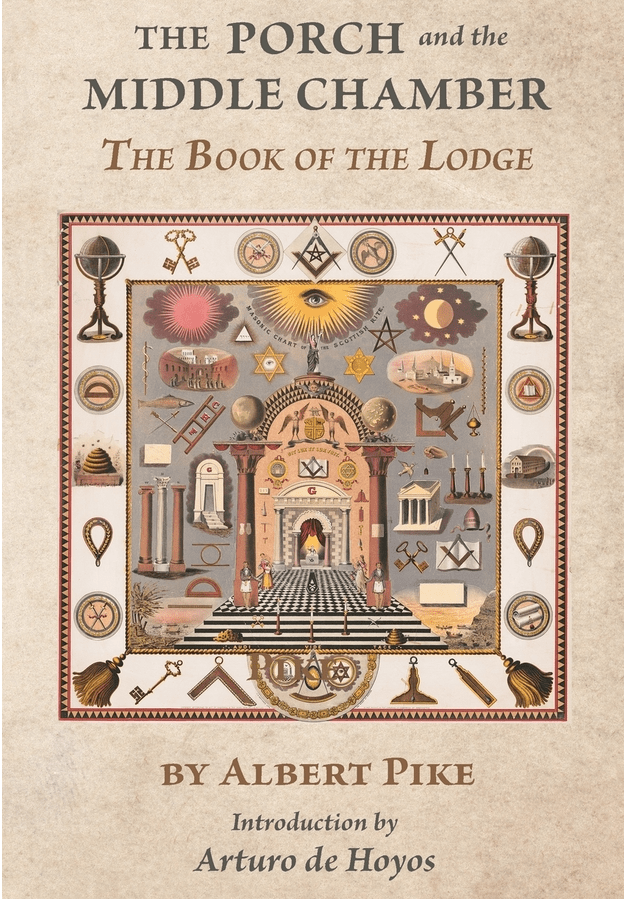
The Porch and the Middle Chamber: The Book of the Lodge
Although not widely used in the United States, the Scottish Rite (the largest Masonic system in the world) has a unique type of ritual which is used in more countries than any other.
Cosmodeism: A Worldview for the Space-Age: How an Evolutionary Cosmos is Creating God
Bisk suggests that understanding our place in this cosmic ‘godding’ process will go a long way in assuaging that sense of meaninglessness of it all that is the cause of so much civilizational pessimism and angst. A subsequent rebirth of optimism might also stimulate the creative energies required to solve the material and environmental problems of 21st-century humanity.
Cerneauism and American Freemasonry
LES PLUS SECRETS MYSTÈRES des Hauts Grades de la Maçonnerie Dévoilés (The Most Secret Mysteries of the High Degrees of Masonry Unveiled), edited by M. de Bérage, was an exposé published in 1766 and was the first printed book to give the rituals of the hauts grades (high degrees) of Masonry.

The Most Secret Mysteries of the High Degrees of MASONRY Unveiled
LES PLUS SECRETS MYSTÈRES des Hauts Grades de la Maçonnerie Dévoilés (The Most Secret Mysteries of the High Degrees of Masonry Unveiled), edited by M. de Bérage, was an exposé published in 1766 and was the first printed book to give the rituals of the hauts grades (high degrees) of Masonry.
Arab Issues: Historical Approaches to the Arab Spring, Human Rights and Other Middle East Concerns
This book deals with several Arabic and Islamic issues, some more recent in nature, while others have been longstanding issues across the region.

Irish Witchcraft and Demonology
Irish Witchcraft and Demonology was originally published in 1913. It is a thorough investigation into Ireland’s historical accounts of witchcraft and supernatural occurrences.

Early Buddhism
Thomas William Rhys Davids (1843–1922) was a British scholar and a key figure in the field of Buddhist studies and Pali language studies. He made significant contributions to the understanding of Buddhism and its early texts, particularly through his work on Pali literature and his translations of important Buddhist texts.

Elliot Richardson: A Man of Principle
Attorney General Elliot Richardson knew that U.S. Attorney George Beall was investigating kickbacks in the Baltimore County Executive’s Office. On July 3, 1973, Richardson met with Beall and his three assistant prosecutors. The meeting was preceded by a telephone call Richardson received from White House Chief of Staff Alexander Haig who reported President Nixon’s fury at the latest news about Special Prosecutor Archibald Cox’s investigation.

Masonic Formulas and Rituals: Transcribed by Albert Pike in 1854 and 1855
This never-before-published work includes the complete collection of rituals which Albert Pike received when he joined the Scottish Rite in 1853. After receiving the degrees, Pike borrowed the manuscript rituals, and over the next two years he transcribed his own copies. He later used these texts to create his revision of the Scottish Rite rituals. This book answers the question: “What was the Scottish Rite like before Albert Pike?”

The Role of Values in Sustainability Transition: The Case of Chinese Ecological Agriculture
This book focuses on ecological agriculture in China through the lens of values, examining the underlying motivations for practicing such agriculture. Within these pages, you will discover thought-provoking insights and compelling analyses that elucidate the intricate interplay between values, ecological agriculture, and its localised implementation.

Exploring the Vault: Masonic Higher Degrees 1730–1800
The study of the development of the ‘Higher Degrees’ after 1730 has, for the past century, failed to produce new insights. Previous research has been geographically narrow or limited to one degree or order and thus failed to offer new insights. The authors decided to take a holistic approach, and so geographically covered England, Ireland, Scotland, and of course France, along with Germany and the Netherlands. The study adopted a forensic approach to the available evidence by undertaking detailed reading of the documents found. The discoveries exceeded expectations and the book details their ‘archaeological finds’ – and offers a novel perspective on the development of the Higher Degrees during the eighteenth century.
Étienne Morin: From the French Rite to the Scottish Rite
Étienne Morin: From the French Rite to the Scottish Rite presents a fresh perspective on the ancestor of the Ancient and Accepted Scottish Rite, the Order of the Sublime Princes of the Royal Secret from the perspective of the founder of the system himself.

Freemasonry’s Royal Secret: The Jamaican “Francken Manuscript” of the High Degrees
Many have heard of the Thirty-third Degree and the Scottish Rite, but lesser known is that it sprung from an equally important Masonic system. Created by the Frenchman Stephen Morin in the 1760s, the 25-degree system known as the “Order of the Royal Secret” used many of the most important Masonic degrees of the time. With its genesis in the French Caribbean, by 1764 these “high degrees” were established in New Orleans, and by 1767 they were brought to Albany, New York. Ultimately, its rituals were absorbed into the Scottish Rite at its creation in 1801. This original work, copied from a rare manuscript, provides the complete original system, from 4° Secret Master, to 25° Prince of the Royal Secret. Also included are the detached degrees of Select Master of 27°, Knight of the Royal Arch, and Grand Master Ecose, which appeared at the back of the original manuscript.
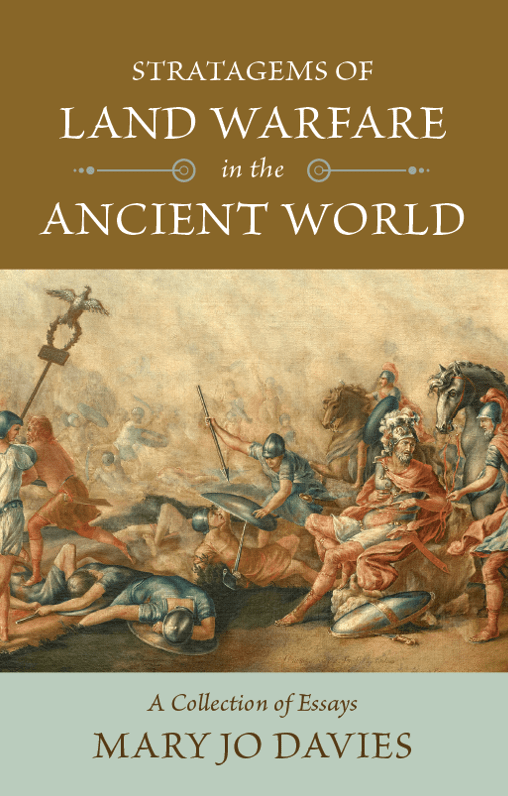
Stratagems of Land Warfare in the Ancient World: A Collection of Essays
The essays in this book investigate warfare from the late Bronze Age of Egypt and the Near East, through the historiographic period of ancient Greece and Rome. While the themes of these essays reveal the changes that took place in warfare within these three periods, the overarching lesson demonstrates the changes that took place in warfare over the course of ancient history—from the late Bronze Age to the period just before the beginning of Imperial Rome.

A Historic Point of Departure: Bringing the Israeli-Palestinian Conflict to a Close and Creating a New Regional Geopolitical Order
Suzan Khairi is a novelist whose passion for storytelling is deeply rooted in her experiences as a lawyer and as a member of the Yazidi community. Born and raised in Sinjar town in Iraq, Suzan was profoundly impacted by the tragic events of August 3, 2014, when her people faced genocide. This harrowing experience inspired her to use her voice and pen to shed light on the plight of her community and to explore themes of resilience, survival, and hope in her writing.

Thirst: A Story of a German ISIS Member & Her Yazidi Victim
Suzan Khairi is a novelist whose passion for storytelling is deeply rooted in her experiences as a lawyer and as a member of the Yazidi community. Born and raised in Sinjar town in Iraq, Suzan was profoundly impacted by the tragic events of August 3, 2014, when her people faced genocide. This harrowing experience inspired her to use her voice and pen to shed light on the plight of her community and to explore themes of resilience, survival, and hope in her writing.

Queer Diplomacy: A Transgender Journey in the Foreign Service
Join Robyn McCutcheon, an out and proud transgender woman, on her journey as a diplomat with the U.S. Department of State. Follow her on travels that took her through the Soviet Union as a historian, to the stars as an engineer in the Hubble Space Telescope project, and onward to Russia, Romania, Uzbekistan, and Kazakhstan as a Foreign Service Officer representing her country on everything from human rights to nuclear arms control. Find out what it was like to transition gender while serving full-time overseas and to become an icon to the LGBTQIA+ communities in Romania and in Central Asia. Follow her as president of glifaa, one of the best known LGBTQIA+ associations in the federal government. This is a story of perseverance and personal triumph. Simply put, this is queer diplomacy at its best.
The French Rite: Enlightenment Culture
This book, focused on the French Rite, covers the founding principles of the Enlightenment and their influence on the birth of modern Freemasonry as we know it today. The authors revisit the fundamental values of the Enlightenment, from a rational approach to religious tolerance and cosmopolitanism. The French Rite is the direct heir of the Grand Lodge of England founded in 1717/1721. The philosophical, religious, and political culture of the Enlightenment permeates the French Rite today.
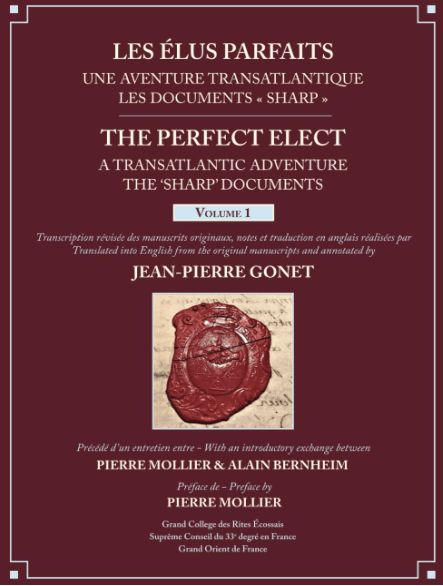
The Perfect Elect: A Transatlantic Adventure the ‘Sharp’ Documents, Volume 1 & 2
The Ancient Accepted Scottish Rite in 33 degrees is the most widespread system of masonic higher degrees worldwide. It was developed in the 18th century, drawing on the most diverse well springs of esoteric traditions and philosophical currents. It is represented wherever Freemasonry is active.

Insilio: La cárcel del silencio: Invisibilidad lesbiana y resistencia
In this remarkable book, Skidmore discusses his “atypical life and career,” and reprints representative articles and book chapters from his long life in academe. The first of the essays considers Alito’s Dobbs decision, demonstrating that it distorts history, ignores the 13th and 9th Amendments, and relies on reasoning uncomfortably similar to that undergirding the worst decision in the Court’s history: Dred Scott. It points to the danger arising from denying a right to abortion because the Constitution does not contain the word: the Court’s major power, judicial review, itself is nowhere mentioned in the Constitution.
Cash and Credit
In this remarkable book, Skidmore discusses his “atypical life and career,” and reprints representative articles and book chapters from his long life in academe. The first of the essays considers Alito’s Dobbs decision, demonstrating that it distorts history, ignores the 13th and 9th Amendments, and relies on reasoning uncomfortably similar to that undergirding the worst decision in the Court’s history: Dred Scott. It points to the danger arising from denying a right to abortion because the Constitution does not contain the word: the Court’s major power, judicial review, itself is nowhere mentioned in the Constitution.