The Evolution of Freemasonry: An Authentic Story of Freemasonry was written by Delmar Duane Darrah in 1920. It is a profusely illustrated volume with portraits of distinguished Freemasons and views of memorable relics and places of singular Masonic interest.
Tag: freemasonry
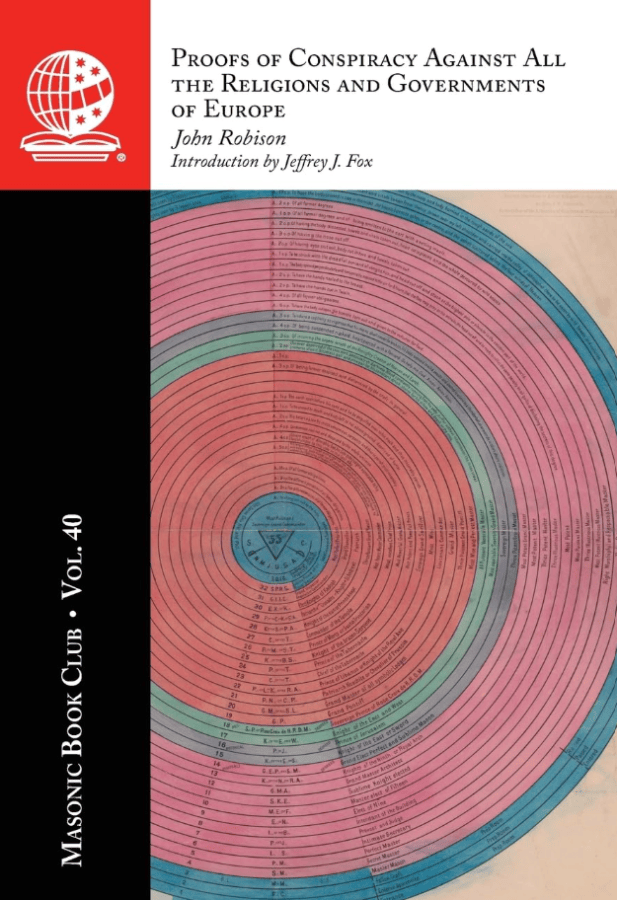
The Masonic Book Club, Vol. 40: Proofs of a Conspiracy Against All The Religions And Governments of Europe, Carried On in The Secret Meetings of Free Masons, Illuminati and Reading Societies, Collected From Good Authorities
Throughout this book the reader will find themselves transported through time to the late 18th Century especially near the time of the French Revolution. It is important to read this volume with that historical lens, lest the important lessons be lost in the translation of time. It is obvious to many that some of the historical problems which have plagued social groups have survived time, while others have been dealt with in such a way as to eliminate them from the cares of the modern social gentleman. Throughout this volume the reader will be asked, either directly or indirectly, to suppose that there is a necessity for the existence of these organizations. I suggest that the reader read this volume with an open mind and accept the bias which should become obvious.
The Masonic Book Club, Vol. 39: Diogenes’ Lamp or an Examination of our Present-Day Morality and Enlightenment
Adam Weishaupt’s Diogenes’ Lamp; or, An Examination of Our Present-Day Morality and Enlightenment, originally published in 1804, is a philosophical treatise written long after the author’s banishment and the dissolution of his famous secret society, the Order of the Illuminati.
The Masonic Book Club, Vol. 38: Antiquities of Freemasonry Comprising Illustrations of the Five Grand Periods of Masonry from the Creation of the World to the Dedication of King Solomon’s Temple
Freemasonry is a fraternity whose beginnings are shrouded in mystery. Most believe that Masonry evolved from the operative guilds of builders called the masons. Others believe that the Craft developed from the Knights Templar which is embedded in so much of the literature of today. Yet, a few still hold the belief that Freemasonry comes from the beginning days of Adam and the Creation of all that exists.
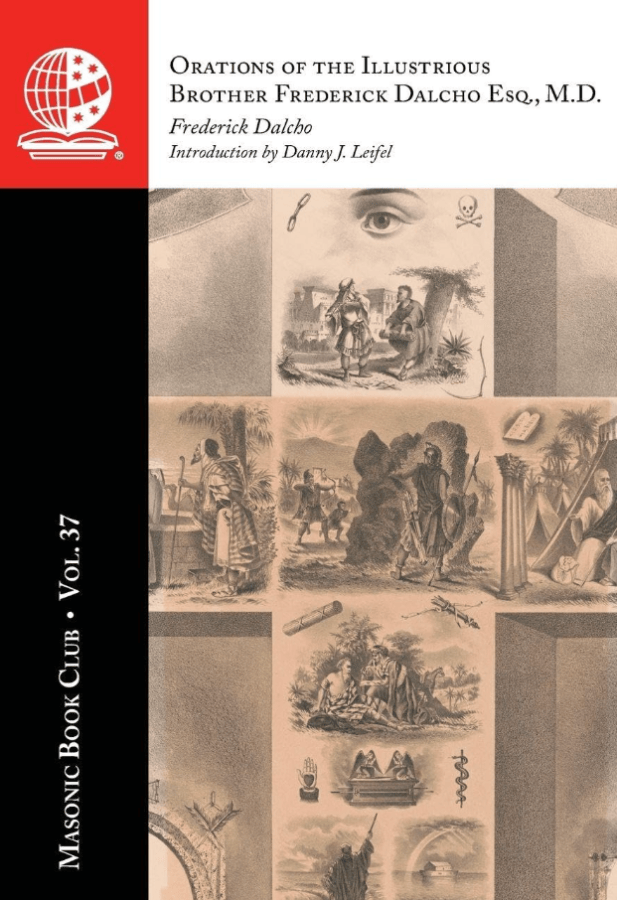
The Masonic Book Club, Vol. 37: Orations of the Illustrious Brother Frederick Dalcho Esq., M.D.
Dr. Dalcho (a surgeon by training) was born in England but studied medicine in Baltimore. He served in the American Army as a surgeon and as a line officer before moving to Charleston in 1800 to practice medicine. He would head the Supreme Council in Charleston from 1816 until his death in 1836.
Before we can determine if Dr. Dalcho is relating the historical truth as to the origins of the Scottish Rite or not, we need to read his work and do some “speculating” of our own. At the very least, reading Dalcho’s Orations provides more grist for the mills of endless debate on the origins of freemasonry. As such, it is an important work, even two hundred years after first publication.
The Masonic Book Club, Vol. 36: The Text Book of Freemasonry
The Text Book of Freemasonry serves as a comprehensive instruction manual detailing the mysteries and ceremonies of Craft Masonry. Compiled anonymously by someone identified only as “A Member of the Craft,” the handbook provides extensive guidance on the foundational rituals of the fraternity.

The Masonic Book Club, Vol. 35: The Craftsman, and Templar’s Textbook and, also, Melodies for the Craft
Herein you will find the ritual and commentary on the Degrees of Freemasonry from the Symbolic Lodge through the Degrees of the York Rite. The funeral service of the York Rite is included as are the General Regulations of the Craft as first compiled by Mr. George Payne, Anno, 1720 and approved by the Grand Lodge on St. John Baptist Day in 1721. It is interesting to note how those regulations have change since 1721 and yet how much the spirit of them still move the workings of our Fraternity. Note the names of Philip, Duke of Wharton and of J.T. Desaguliers as Grand Master and Deputy Grand Master in a dialogue which points quite negatively at some of the other constitutions coming from England in prior years.

The Masonic Book Club, Vol. 34: A Daily Advancement in Masonic Knowledge
The Society of Blue Friars was formed in 1932, explicitly “to recognize Masonic Authors.” The name was chosen because Blue is the basic color for Masonic regalia, and Friar is related to the French word for Brother-the term by which Freemasons address one another; but the name Friar would also recall the monks of the Middle Ages, the men who wrote most of the books in those days. The Society’s regulations (at least in their present form) state that “One new Friar shall be appointed each year,” but that “additional Friars may be appointed to fill vacancies caused by demise or resignation when the total membership is not over twenty.”

The Masonic Book Club, Vol. 33: Caementaria Hibernica
The Masonic Book Club has long published old Masonic Classics which are out-of-print. From the Regius Poem, to Anderson’s Constitutions, to the Ahiman Rezon the Club’s members have been interested in the earliest constitutions and old charges to be found. The 2002 Club book is CAEMENTARIA HIBERNICA, a facsimile of the Old Constitution and Rules of the Grand Lodge of Ireland.

The Masonic Book Club, Vol. 32: K. R. Cama Masonic Jubilee Volume
The K. R. Cama Masonic Jubilee Volume is a historically significant anthology of esoteric literature, first published in 1907 by the Fort Printing Press in Bombay. Edited by Jivanji Jamshedji Modi, the book serves as a compilation of insightful papers on various Masonic subjects contributed by different Freemasons.

The Masonic Book Club, Vol. 31: Freemasonry Its Meaning and Significance, An Exposition of its Ethics, Religion and Philosophy
Unflinching in his analysis, Caspari explores the historical friction between Freemasons and Papal authority, tracing the age-old clash between Dogma and Reason. For the modern Mason, his call to “reform” the Craft is particularly compelling. By stripping away superficial traditions, Caspari reveals what he considers the true “fourth degree” the active, daily practice of universal love and a shared faith in eternal life.
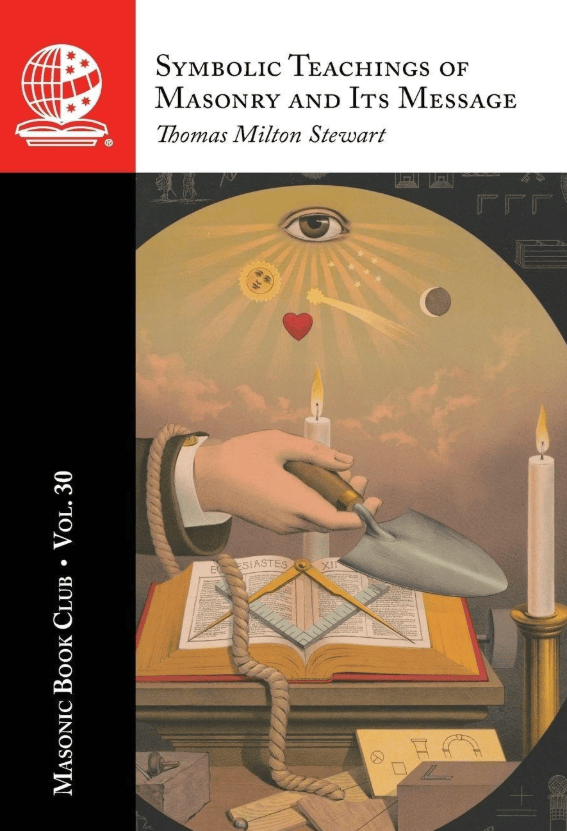
The Masonic Book Club, Vol. 30: Symbolic Teachings of Masonry and Its Message
Thomas Milton Stewart was a prominent American Freemason-notably a Past Master and 33° Mason-who dedicated much of his work to exploring the philosophical and esoteric foundations of the craft.
The Masonic Book Club, Vol. 29: The Masonic Harp: Collection of Masonic Odes, Hymns, Songs
In reading the text of The Masonic Ladder, consider its implications. Ask yourself which came first, the Enlightenment or the Masonic Fraternity with its light ever shining forth to reveal the tenets of liberty, equality and fraternity.
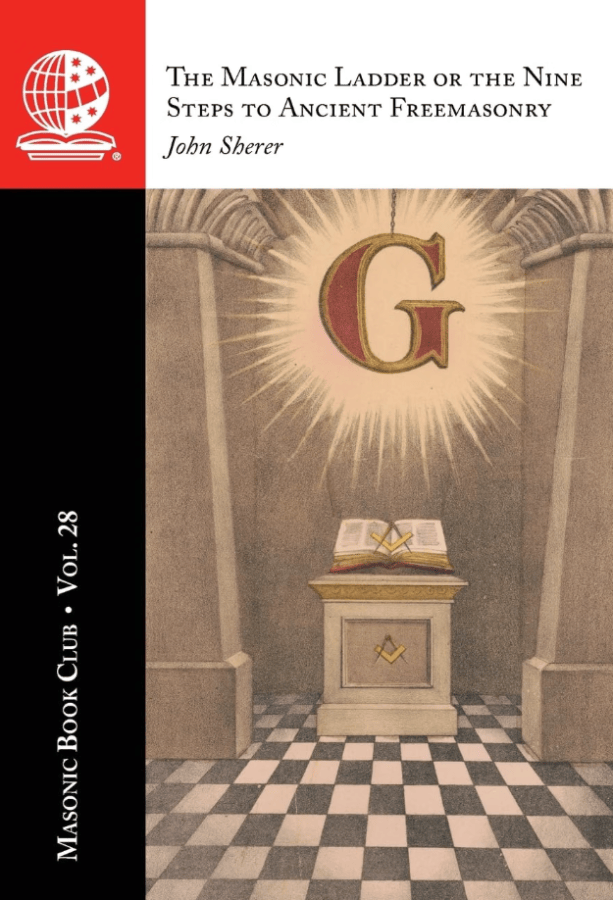
The Masonic Book Club, Vol. 28: The Masonic Ladder or the Nine Steps to Ancient Freemasonry
The ideas presented in this reprint of Sherer’s The Masonic Ladder or the Nine Steps to Ancient Freemasonry form a clear presentation of one man’s interpretation of the rituals of the Masonic Fraternity.
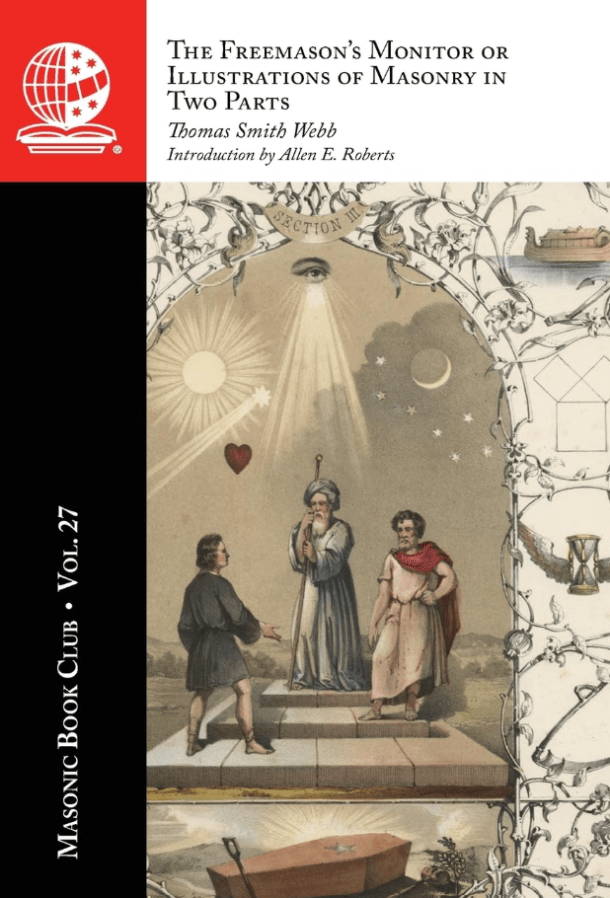
The Masonic Book Club, Vol. 27: The Freemason’s Monitor or Illustrations of Masonry in Two Parts
A few words are in order about his articles. Folger’s “Recollections” were published by the New York Dispatch in forty-two parts, numbered one through forty. Part three was published in two parts, and there are two parts numbered thirty-one.
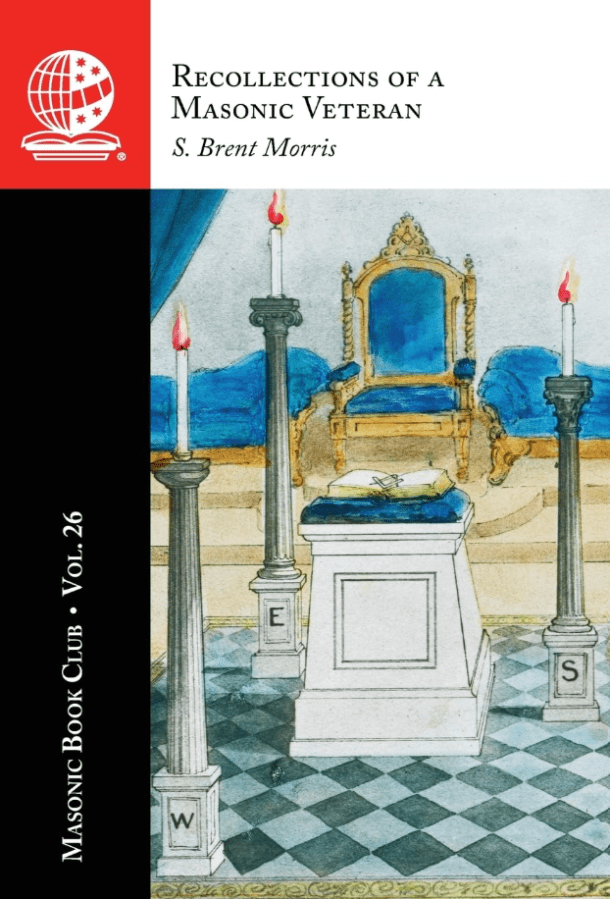
The Masonic Book Club, Vol. 26: Recollections of a Masonic Veteran
A few words are in order about his articles. Folger’s “Recollections” were published by the New York Dispatch in forty-two parts, numbered one through forty. Part three was published in two parts, and there are two parts numbered thirty-one.
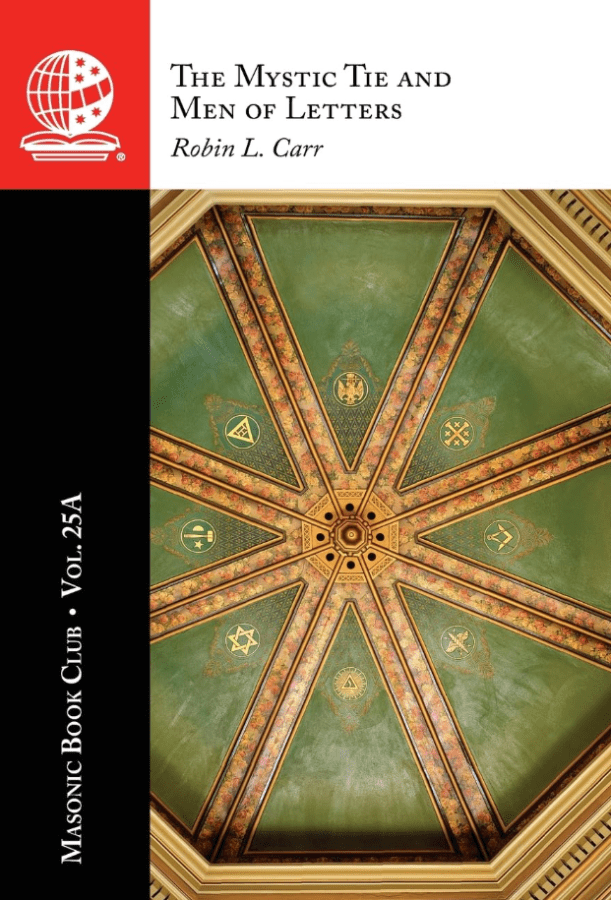
The Masonic Book Club, Vol. 25A: The Mystic Tie and Men of Letters
he current volume is a bonus book to Masonic Book Club members and can be defined to be articles about men who have written fictional or other forms of writing which can be called literature. Some of the men being studied in the articles have written openly of Freemasonry, others have merely alluded to Freemasonry and still others have used Masonry as a frame for the stories they wished to tell.
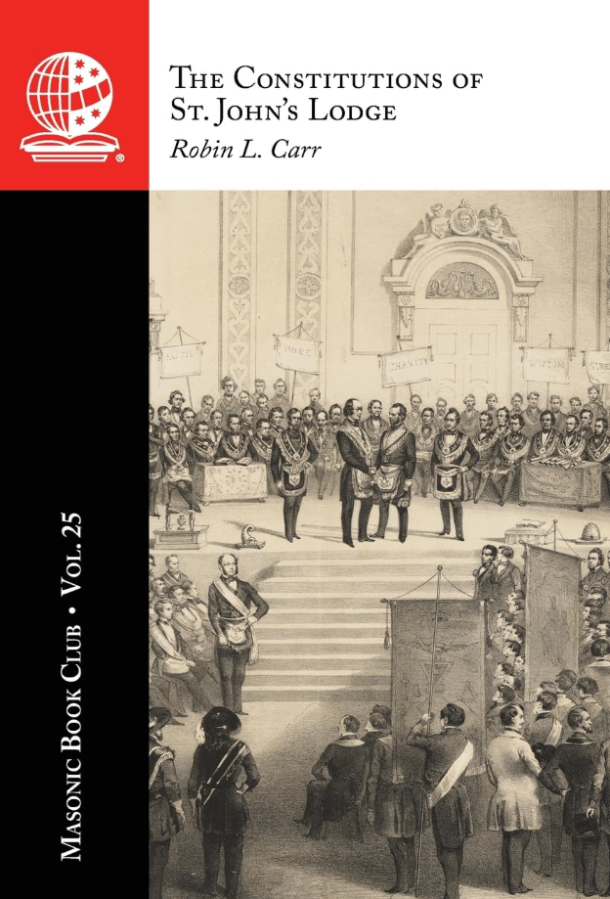
The Masonic Book Club, Vol. 25: The Constitutions of St. John’s Lodge
In 1971 the Club published The Constitutions of the Freemasons, a reprint of Andersons book by Benjamin Franklin and at the time called it “…the most important Masonic book ever published. It has been reprinted and reproduced in facsimile more often than any other Masonic book
The Masonic Book Club, Vol. 24: Freemasonry and Christianity: Lectures from Two Ages
The selection of the Masonic Book Club for 1993 consists of two little books on Masonic morals and philosophy. The first, The Symbolism of Solomon’s Temple, was written by Rev. T. DeWitt Peake a century ago, being made up of four lectures or sermons first given from the pulpit of his Methodist Episcopal Church and then printed at the request of the Masons of the area “for the instruction of the craft at large.”
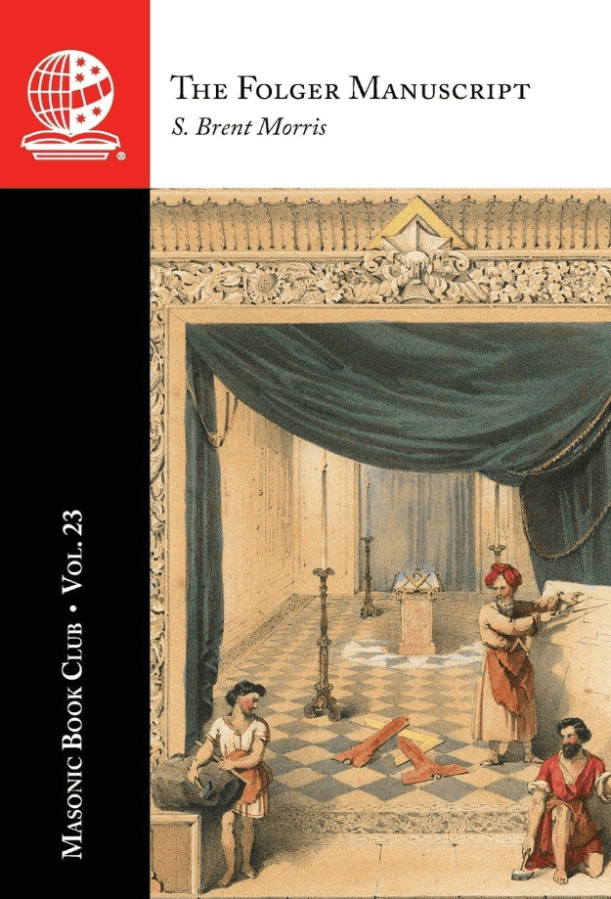
The Masonic Book Club, Vol. 23: The Folger Manuscript
The purpose of this little book is to place in the hands of each newly made masterThis study of the Folger Manuscript has continued off-and-on since 1978. Portions of the research have been presented at various times, something like dress rehearsals, and are now all gathered together for the opening night. mason some information to which he is entitled and which may help him to get started correctly in his career as a Freemason.
The Masonic Book Club, Vol. 22A: ABC of Freemasonry: A Book for Beginners
The purpose of this little book is to place in the hands of each newly made master mason some information to which he is entitled and which may help him to get started correctly in his career as a Freemason.
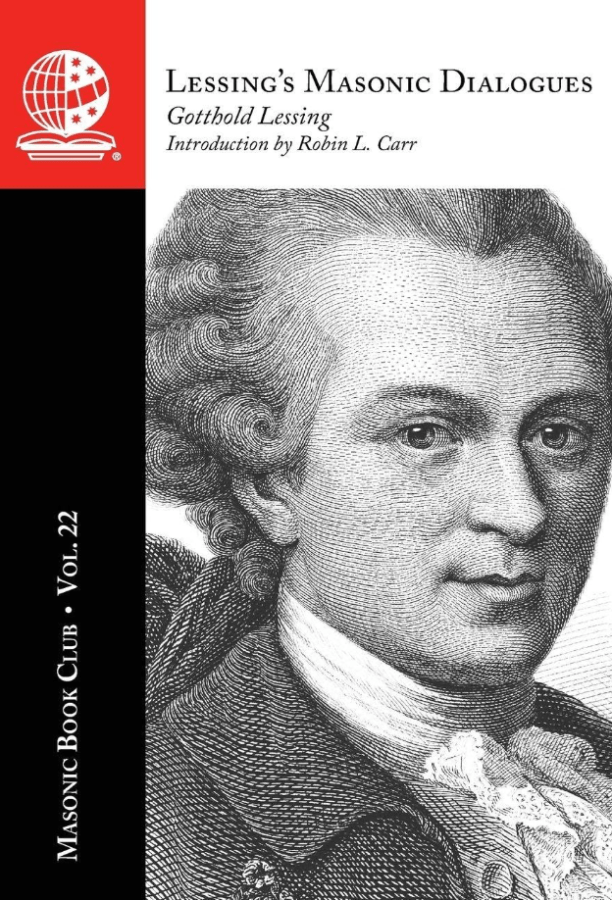
The Masonic Book Club, Vol. 22: Lessing’s Masonic Dialogues
These essays, added to Cohen’s incisive commentary, powerfully reveal Lessing’s understanding of the basic principles of Freemasonry with its tenet of the Brotherhood of Man under the Fatherhood of God. More importantly they also mirror in an important way the great frustration that so many Freemasons of today share with the Lessing of two hundred years ago, the simple fact that Freemasonry is falling short of its great possibilities.
The Masonic Book Club, Vol. 21: Masonic Odes and Poems
It wasn’t long before he adopted the Morris name and became a part of that family. Several years later, when he began his prolific writing career, Robert Williams Morris decided to change his first name to Rob so as not to be confused with the famous Robert Morris of Revolutionary fame.
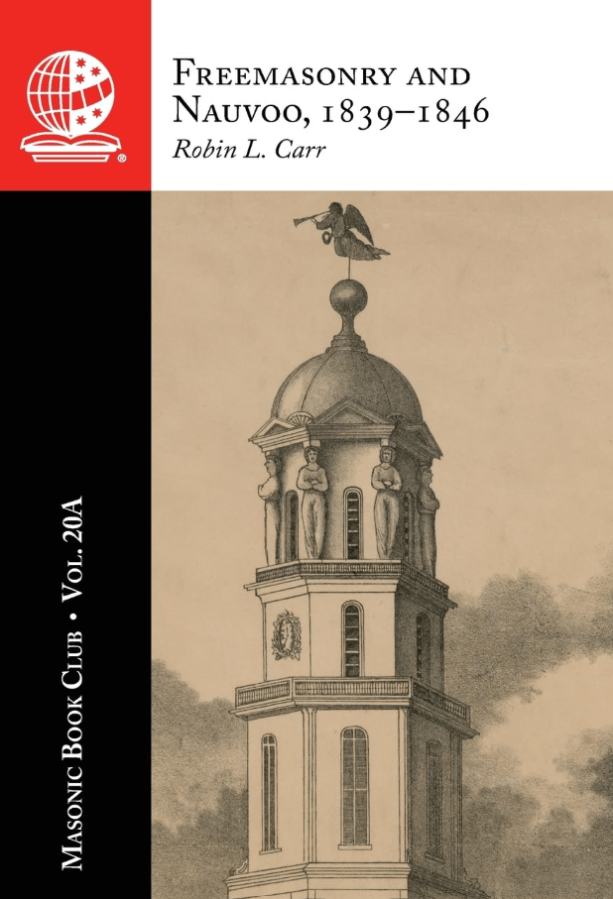
The Masonic Book Club, Vol. 20A: Freemasonry and Nauvoo, 1839-1846
Between the years 1839 and 1846 the people of the State of Illinois, especially the members of the Fraternity of Freemasons and of the Mormon Church, had an unpleasant experience in Hancock County where Joseph Smith and his followers established themselves.
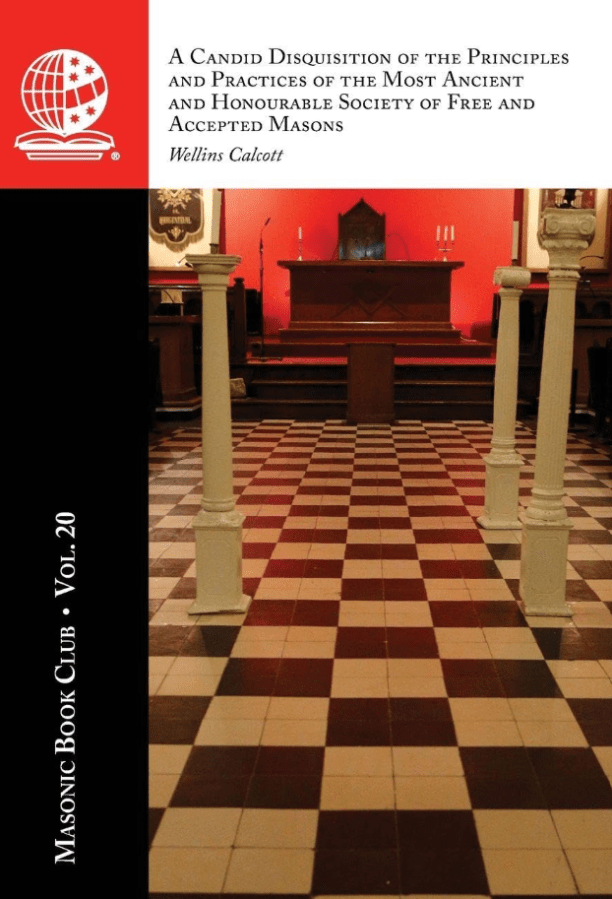
The Masonic Book Club, Vol. 20: A Candid Disquisition of the Principles and Practices of the Most Ancient and Honourable Society of Free and Accepted Masons
The Introduction (pages 1-13) explains why Freemasonry came into existence. Since man is “a social being,” “men must of necessity form associations for their comfort and defence.”
The Masonic Book Club, Vol. 19: Records of the Hole Crafte and Fellowship of Masons
The Records of the Hole Crafte and Fellowship o f Masons represents an important link in the history of Freemasonry during the period when the institution was evolving from the operative to the speculative Craft. When first published the work was immediately recognized as an important contribution to the literature of Freemasonry, and over the years has acquired the appellation of Masonic Classic.
The Masonic Book Club, Vol. 18: The Lodge in Friendship Village and Other Stories
The Lodge in Friendship Village and Other Stories by P.W. George (a pseudonym for Robert E. Martin) is a collection of Masonic-themed fiction originally published in 1927 and later reprinted by the Masonic Book Club in 1987. The stories focus on fellowship and brotherhood within a fictionalized lodge setting.
The Masonic Book Club, Vol. 17A: Ancient and Early Medieval Historical Characters in Freemasonry
Through these examples from secular history, Freemasonry attempts to develop themes not found in the Bible or not elaborated upon there. These themes do not run counter to Biblical teaching, but, instead, are developed within the moral and ethical parameters set by the Bible. These themes, therefore, augment or elaborate upon Biblical teaching. They remain consistent with that teaching, although they are not necessarily identical with it.
The Masonic Book Club, Vol. 17: The Rise and Development of Organised Freemasonry
The inauguration of the premier Grand Lodge in London on St John’s Day, 24 June 1717, may well be said to have been the commencement of organised freemasonry as it is understood today but, before examining the development from that date it would be helpful if earlier threads are drawn together and to take a look at pointers in that direction that are to be found prior to that date, and that event.
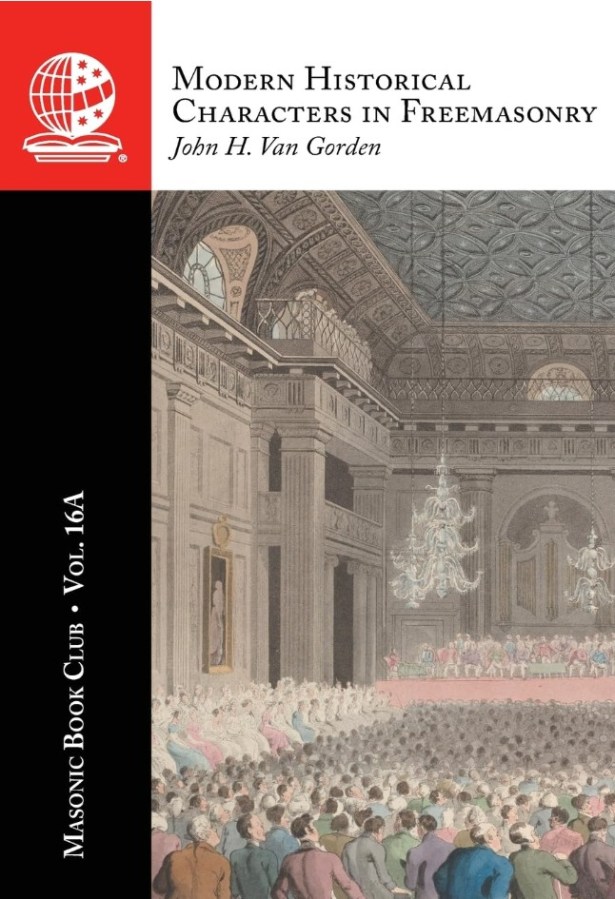
The Masonic Book Club, Vol. 16A: Modern Historical Characters in Freemasonry
This biographical view of history-or, more precisely, this emphasis on the biographical element in the study of history-is of particular importance to Freemasonry, which attempts to teach its ethical principles and moral values through ritual and dramas based upon Biblical or historical examples.
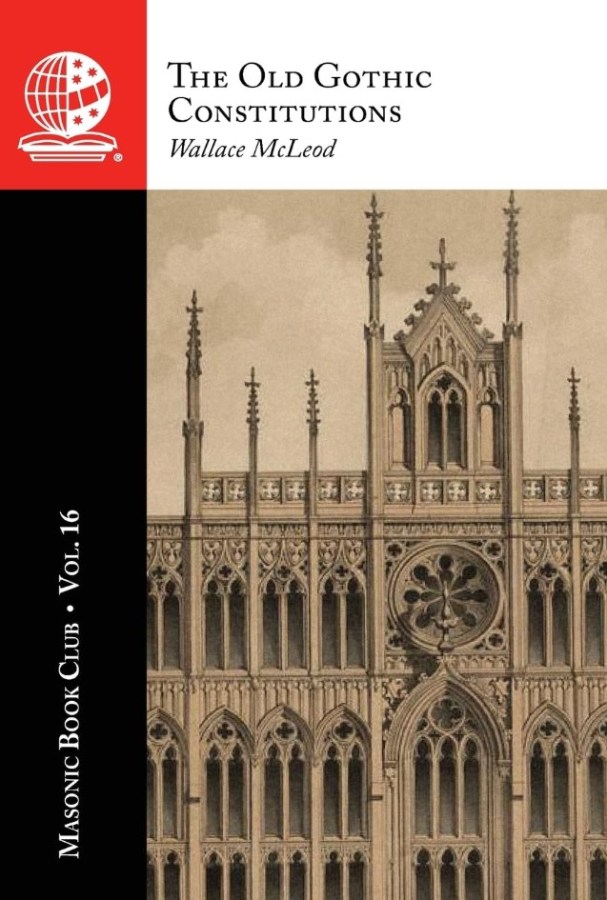
The Masonic Book Club, Vol. 16: The Old Gothic Constitutions
The word “Gothic” brings to our minds the flying buttress, the pointed arch, the soaring spire, and all the elaborate and beautiful ornamentation, which even after so many years can still excite wonder and admiration in the architects and engineers of today. And so the name “Gothic Constitutions” carries with it a notion of antiquity combined with enduring worth, which is entirely appropriate as we search for the ancestry of our great Fraternity.
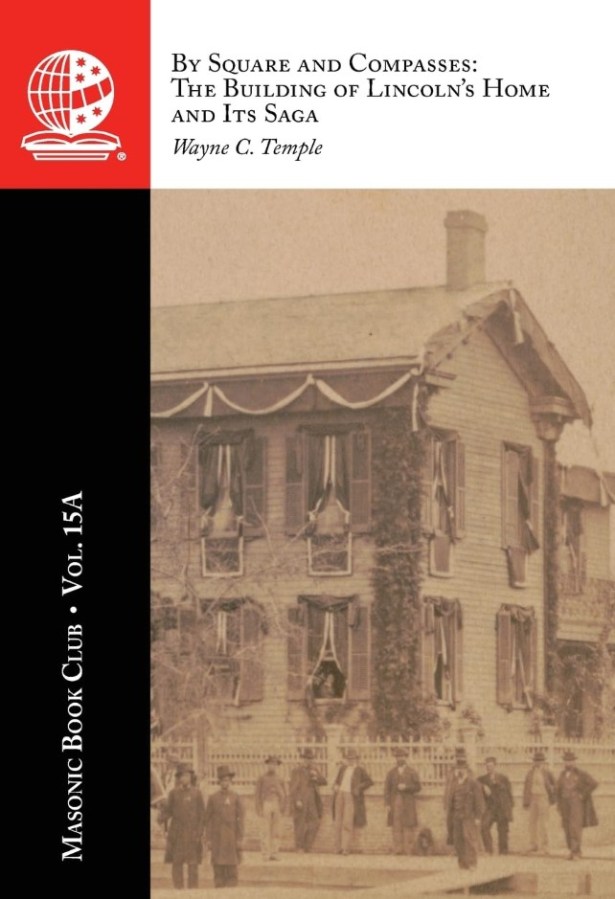
The Masonic Book Club, Vol. 15A: By Square and Compasses: The Building of Lincoln’s Home and Its Saga
The title for this treatise comes from the fact that the square and compasses were the most important measuring tools used in constructing or remodeling the Lincoln home. Then, too, so many of the builders, occupants or persons involved with this residence were either speculative or operative masons that it was thought this title fit the story extremely well.
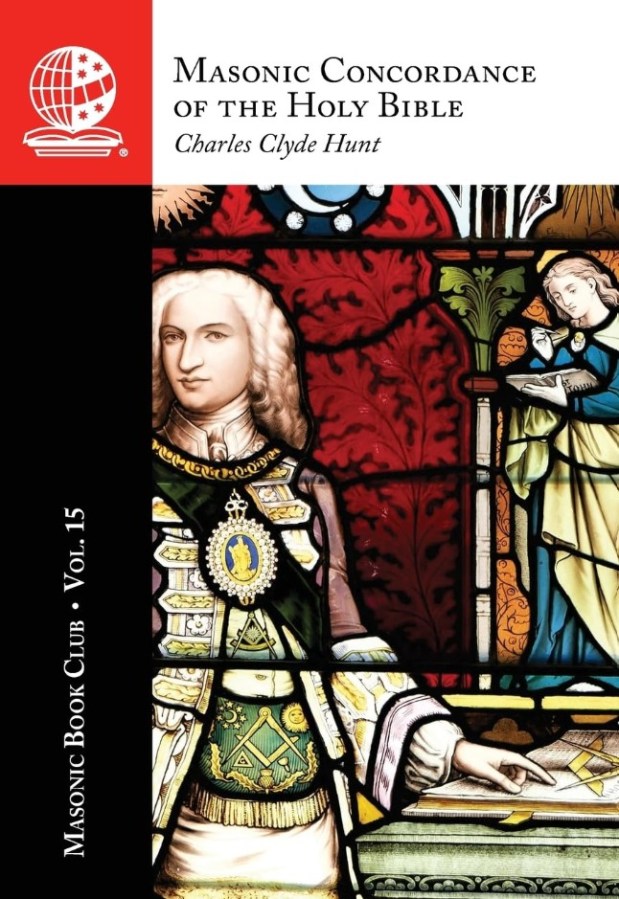
The Masonic Book Club, Vol. 15: Masonic Concordance of the Holy Bible
Freemasonry is inseparably connected with the Holy Bible and Biblical Lore, both historically and traditionally. Nearly all phases of the Masonic Ritual in all its degrees point to some Biblical reference either direct or implied.
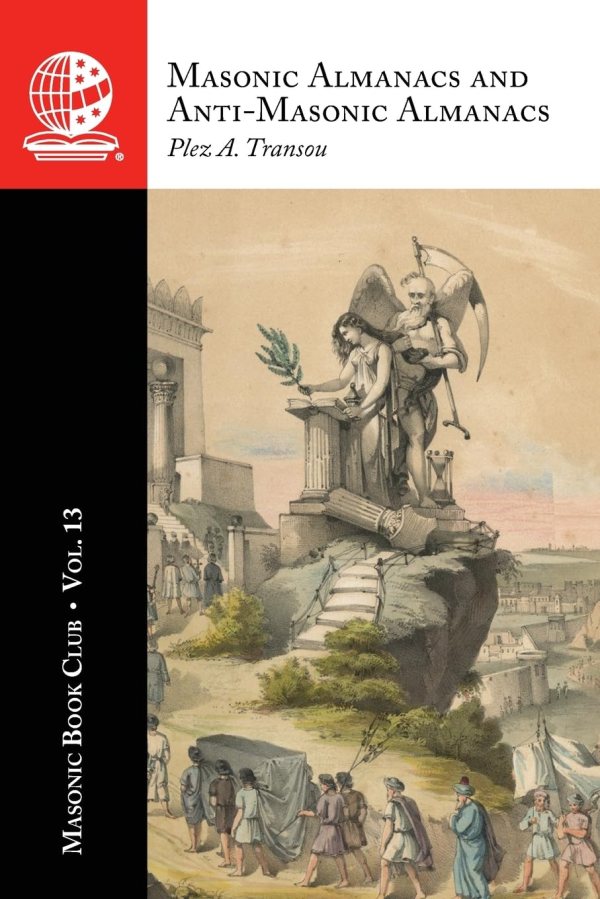
The Masonic Book Club, Vol. 13: Masonic Almanacs and Anti-Masonic Almanacs
Almanacs have been in existence for many years and the word is familiar to most Masons. Everyone at some time or other has either seen, read, or purchased a copy of the Old Farmers’ Almanac which is sold in many supermarts and book stores. Some Masons have heard that there have been Masonic Almanacs and also Anti-Masonic Almanacs, but few of them have ever seen a copy or have one in their personal libraries.
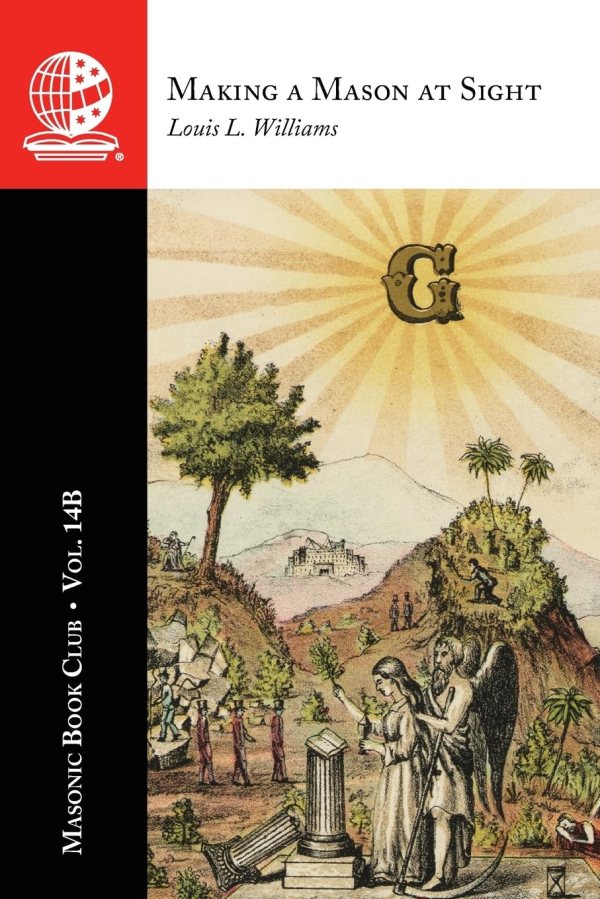
The Masonic Book Club, Vol. 14B: Making a Mason at Sight
On September 10, 1982, M.W. Bro. Raymond H. Bachman, Grand Master of Masons in Illinois, came to Bloomington and instituted Ancient Landmarks Lodge U.D. Choosing its name presented some difficulties, since most good Masonic allusions, like Acacia, Anchor and Ark, Blazing Star, Charity, Further Light, etc., had already been chosen. But although several of our sister states had used the name, Ancient Landmarks had never been used in Illinois, and thus it became the name of our new and in some respects, special Lodge.
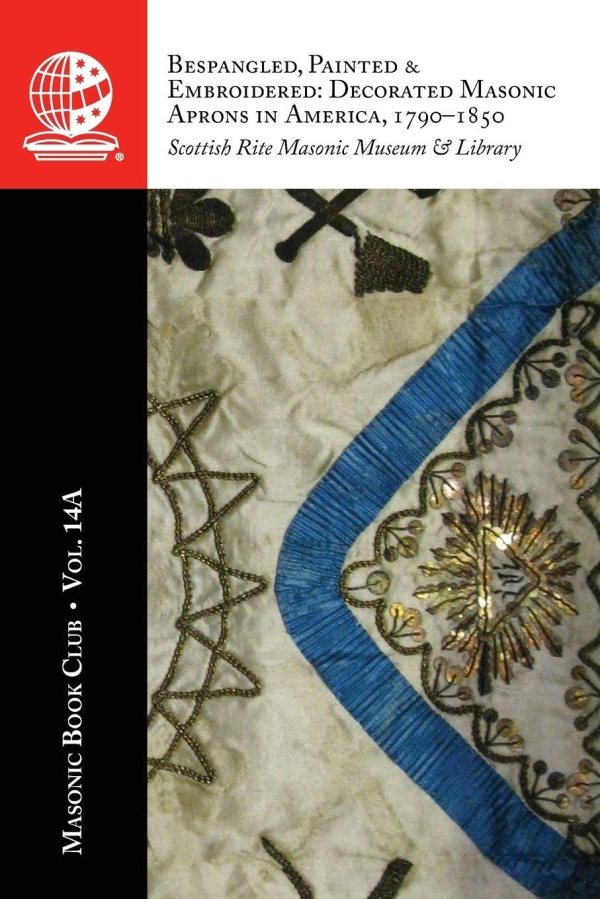
The Masonic Book Club, Vol. 14A: Bespangled, Painted & Embroidered: Decorated Masonic Aprons in America, 1790-1850
On September 10, 1982, M.W. Bro. Raymond H. Bachman, Grand Master of Masons in Illinois, came to Bloomington and instituted Ancient Landmarks Lodge U.D. Choosing its name presented some difficulties, since most good Masonic allusions, like Acacia, Anchor and Ark, Blazing Star, Charity, Further Light, etc., had already been chosen. But although several of our sister states had used the name, Ancient Landmarks had never been used in Illinois, and thus it became the name of our new and in some respects, special Lodge.
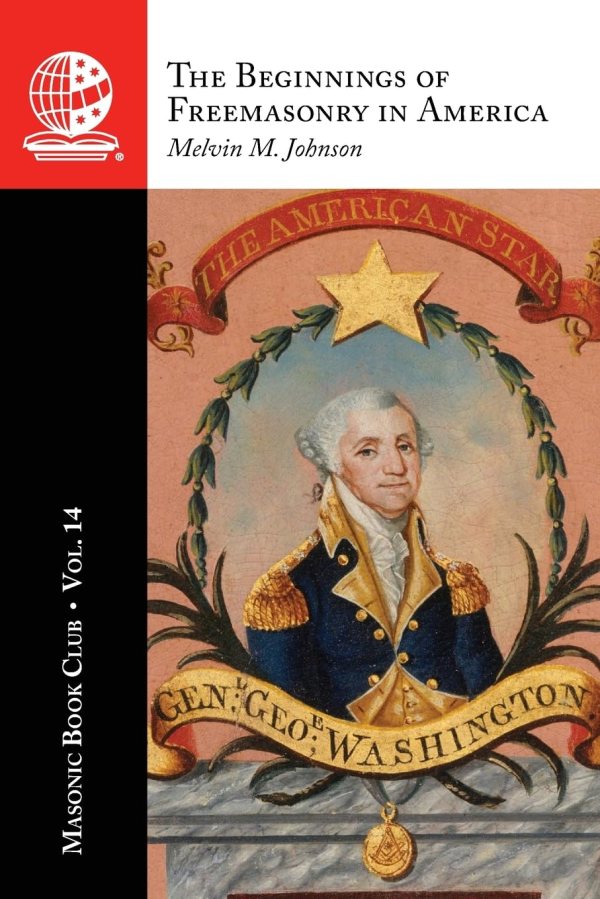
The Masonic Book Club, Vol. 14: The Beginnings of Freemasonry in America
Melvin Maynard Johnson (1871-1957) was one of the leading Freemasons of his day and this book has acquired the reputation of being a “Masonic classic.” It has been out-of-print for many years and is appropriately issued during this Bicentennial period of the formation of our nation.
The Masonic Book Club, Vol. 12: Three Distinct Knocks and Jachin and Boaz
There have been many books published over the years which claim to be exposures of the Masonic ritual. Some of our members look upon them as mere “curiosities,” others get high blood pressure when they hear about them and urge the Craft to take steps to suppress them, and others consider them as useful tools to trace the development of our ritual on the assumption that they possibly contain some elements of similarity with the work being done in our lodges at the time.
The Masonic Book Club, Vol. 11b: A Masonic Reader’s Guide
This book is addressed to Masons with four types of literary interests: (1) The member who has learned for the first time about the world of Masonic books and wants to know what printed material has been published so he can start to do some reading and thus improve himself in Masonry; (2) The member who has discovered that he has time on his hands and wants to read Masonic material and thus become a better informed Mason; (3) The member who has become an officer and wishes to improve his skills and thus serve in a better way; and (4) The member who is interested in doing research in order to prepare a talk, an article for publication, or a book on a Masonic subject.
The Masonic Book Club, Vol. 11A: Biblical Characters in Freemasonry
Dr. George Oliver has been the most prolific Masonic writer of all times. His many books have covered many Masonic subjects and he was highly regarded in his day. Unfortunately, on a number of occasions he made state ments which have been construed in the wrong way and he has been characterized at times as a writer of imaginative Masonic history. We must judge him in the light of conditions that existed when he lived; and at that time there were few reliable Masonic records which he could examine. Furthermore, he was not a historian but a philosopher and too often his statements were construed as history rather than something else. He is entitled to special credit for editing the works of others and helping preserve them for our use today.
The Masonic Book Club, Vol. 11: The Revelations of a Square
Dr. George Oliver has been the most prolific Masonic writer of all times. His many books have covered many Masonic subjects and he was highly regarded in his day. Unfortunately, on a number of occasions he made state ments which have been construed in the wrong way and he has been characterized at times as a writer of imaginative Masonic history. We must judge him in the light of conditions that existed when he lived; and at that time there were few reliable Masonic records which he could examine. Furthermore, he was not a historian but a philosopher and too often his statements were construed as history rather than something else. He is entitled to special credit for editing the works of others and helping preserve them for our use today.
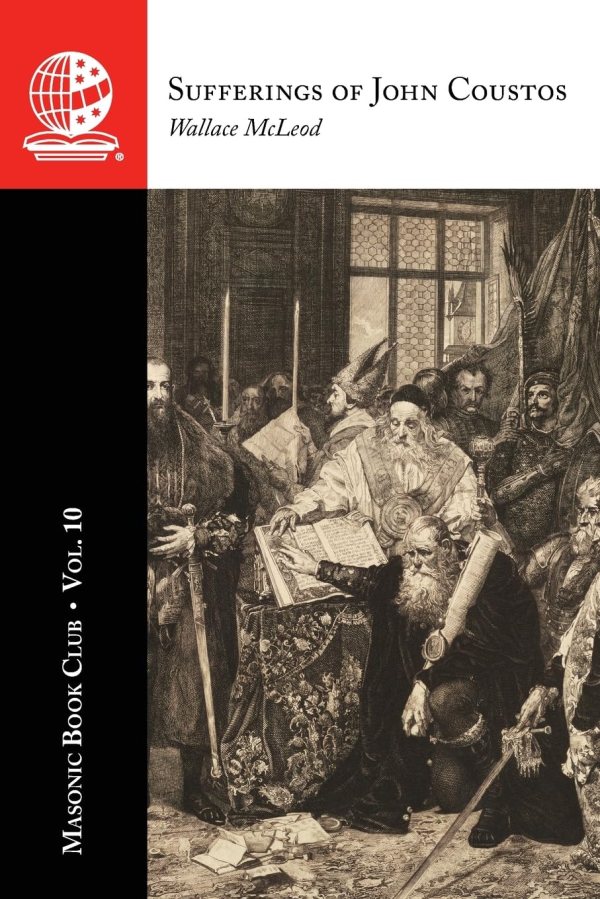
The Masonic Book Club, Vol. 10: Sufferings of John Coustos
The unparalleled sufferings of John Coustos, who nine times underwent the most cruel tortures ever invented by man, and sentenced to the galley four years, by command of the inquisitors at Lisbon, in order to extort from him the secrets of Free-Masonry; from whence he was released by the gracious interposition of His late Majesty, King George II. : To this edition is added, a selection of Masonic songs, and a complete list of lodges, foreign and domestic.
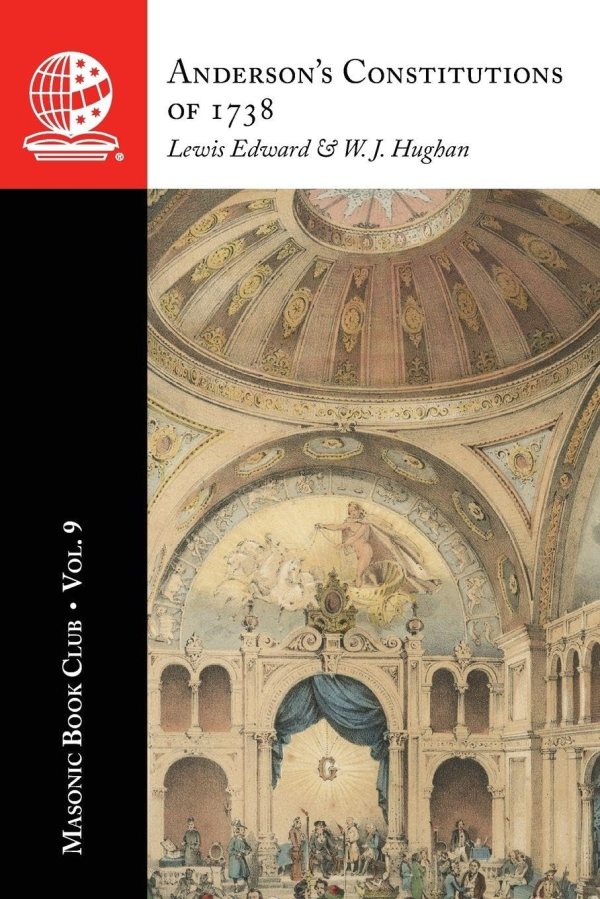
The Masonic Book Club, Vol. 9: Anderson’s Constitutions of 1738: Anderson’s Constitutions of 1738
The Constitutions of the Freemasons by Dr. James Anderson, published in 1723, is the most famous Masonic book in the world. It has been translated into many foreign languages, has been the subject of considerable examination and comment over the years, and has been reproduced many times. With the passage of time it has become universally recognized as the basic law book of Freemasonry. It is significant that the first Masonic book to be published in the Western Hemisphere was the 1723 edition of Anderson’s book, by Benjamin Franklin, in 1734. A facsimile of Franklin’s book was the second volume to be published by The Masonic Book Club, in 1971 together with the differences listed between the original and Franklin’s edition.
The Masonic Book Club, Vol. 8A: Trestle-Board
The National Masonic Congress which met in Baltimore, Maryland on May 8, 1843 and remained in session for nine days is an important event in the history of Freemasonry in the United States. The professed purpose of the meeting was to bring about a uniformity of the Masonic ritual in the United States and to recommend to the Grand Lodges matters that would be beneficial to the Craft.

The Masonic Book Club, Vol 8: Samuel Prichard’s Masonry Dissected, 1730
Masonry Dissected by Samuel Prichard, first published in 1730, was an easy book to select for publication by The Masonic Book Club for it has been a Masonic classic for many years. The book has been out-of-print for many years and has been hard to locate even in Masonic libraries. It was the first major expose of the Masonic ritual to be printed; and it occupies an important place in the history of the ritual because it contains the first clear description of a system of three degrees.
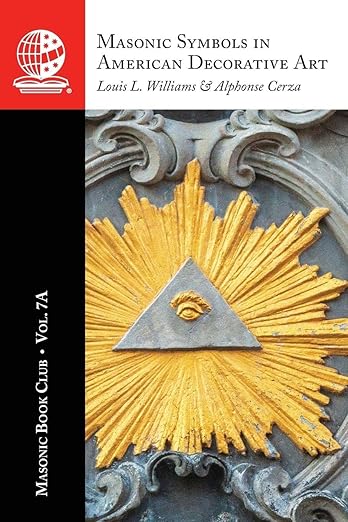
The Masonic Book Club, Vol. 7A: Masonic Symbols in American Decorative Art
When the Ancient Accepted Scottish Rite of Freemasons of the Northern Masonic Jurisdiction of the United States of America dedicated its new Museum-Library in Lexington, Massachusetts on April 20,1975, two hundred years and one day after Paul Revere’s ride, it gave an outstanding Bicentennial gift to the people of the United States.
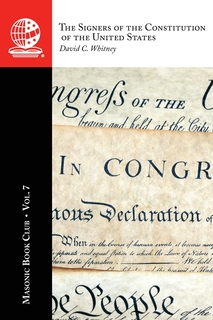
The Masonic Book Club, Vol. 7: The Signers of the Constitution of the United States
Many years ago William E. Gladstone, eminent British statesman, described the Constitution of the United States as “the most wonderful work ever struck off at a given time by the brain and purpose of man.” The men who created the document have been described by enthusiastic speakers as “divinely inspired” and also as being “demi-gods.”
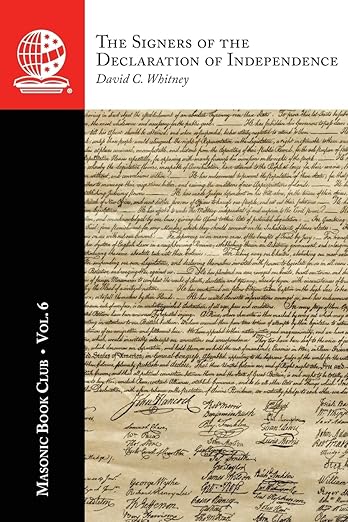
The Masonic Book Club, Vol. 6: The Signers of the Declaration of Independence
here is nothing quite so vital in this life as a timely idea. Obversely, there is nothing as futile as an idea proposed before people are ready to accept it. The civilized world was ready for Martin Luther when he nailed his ninety-five theses on the front door of Wittenberg Cathedral in 1517; but Galileo, being born fifty years too soon, would have been burned at the stake had he not recanted his theory of a round world in 1632.
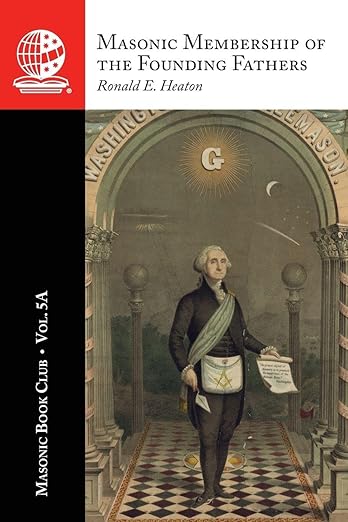
The Masonic Book Club, Vol. 5A: Masonic Membership of the Founding Fathers
Running through all the events of the founding of our Nation, the desire for Liberty was the one factor that controlled every thought-that motivated every action. As our Founding Fathers watched the gathering storm and experienced the continuous acts of repression passed and practiced by their British rulers, the need for Freedom: freedom of thought, of speech, of peaceable assembly, of political action-determined every move they made, every step they took.
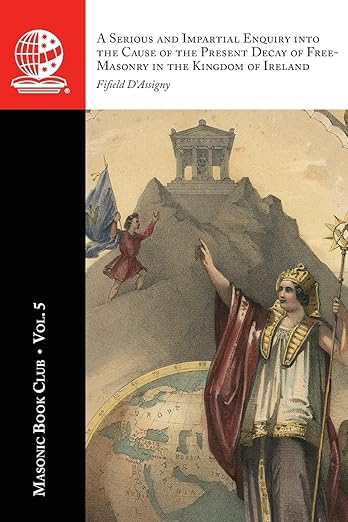
The Masonic Book Club, Vol 5: A Serious and Impartial Enquiry into the Cause of the Present Decay of Free-Masonry in the Kingdom of Ireland
This fifth volume of the Masonic Book Club presents material that is rare and not easily accessible to the average Masonic reader. Dr. D’Assigny’s works are not earth-shattering. His literary effort should be read in the light of the days in which he lived. They caused only a faint ripple in a narrow field when they were published, and very promptly dropped from sight, only to be unearthed over a century later. They are curiosities, yet; but most interesting curiosities. His Serious and Impartial Enquiry engages in the usual flights of historical fantasy, after the pattern so well initiated by Dr. James Anderson a few years before. His Answer to the Pope’s Bull and his Answer to the Enemies of Free-Masonry may have required more courage than most of us realize today. So let us not underestimate the effect such a strong defense of the Craft might have had upon the readers of that day.