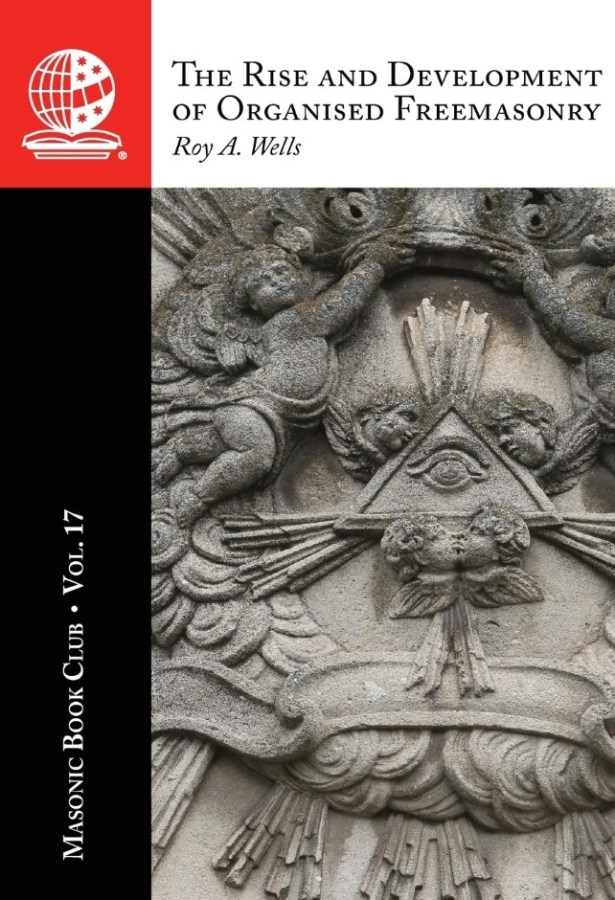
by Roy A Wells
The inauguration of the premier Grand Lodge in London on St John’s Day, 24 June 1717, may well be said to have been the commencement of organised freemasonry as it is understood today but, before examining the development from that date it would be helpful if earlier threads are drawn together and to take a look at pointers in that direction that are to be found prior to that date, and that event.
Following the Norman conquest of England in AD 1066 architectural styles began to change from the strong, sturdy and simple, to ornate structures. Designers, architects, sculptors, and artisans all gained considerably from the techniques that entered the country from other nations. Churches, cathedrals, and palaces were built on the grand scale and with added skills that were then necessary the time had arrived for a development of control, not only for protection of crafts and skills that were involved but for the maintenance of those higher standards. Trade Guilds arose in the cities and principal towns and the craftsmen met together there as well as on sites where the work went on; some projects were of such magnitude that decades were to pass and a lifetime was spent by some before they were completed. No artisan could pursue his skill without proper recognition from a controlling body and accredited evidence had to be forthcoming before any acknowledgement could be afforded in passing from one site to another. A system of tuition and control for apprentices and masters alike, as well as an elementary code of behaviour were devised and such details were drawn up for the mason craft on parchment rolls and read out on every convenient occasion for that purpose. As was to be expected in a Christian society when life in general was guided by scholars from the abbeys, monasteries, cathedrals and churches which represented the centrepiece for each community, large or small, each Guild had its patron Saint and attendance for Mass on that day was deemed an obligation and wages paid for attention to it.