The Masonic Book Club (MBC) was formed in 1970 by two Illinois Masons, Alphonse Cerza,
33°, and Louis L. Williams, 33°. The MBC primarily reprinted out-of-print Masonic books with scholarly introductions; occasionally they would print additional texts as “bonuses.” Westphalia Press is republishing the series for greater accessibility.
Tag: freemasonry

Freemasonry in Mexico: A Secret Heritage
In this thought-provoking book, De Los Reyes argues that Freemasonry, through its lodges, played a decisive role in shaping Mexico’s national thought, contributing to the creation of a liberal and secular State and fostering anticlerical sentiments among the laity that endured well into the twentieth century.

33° Scottish Rite Masons of the Southern Jurisdiction Who Served in US Congress
Since its founding on May 31, 1801, the Scottish Rite has, like all aspects of Freemasonry, made an impact on America. The Supreme Council, 33°, Ancient and Accept Scottish Rite of Freemasonry for the Southern Jurisdiction, USA, has been particularly blessed to have had a significant number of our most decorated members serve in the Congress of the United States. This book, years in the making, provides a carefully researched and documented biographical dictionary listing the members of Congress who held the highest honor of Scottish Rite, that of the 33rd degree. This reference volume should prove useful to researchers of general history, but most especially to Masonic researchers.
Reprints of Rituals of Old Degrees
Originally printed by Albert Pike in 1879, this enlarged edition includes a variety of important early rituals. In 1789 the Grand Lodge of Pennsylvania chartered a lodge in Port-au-Prince, which introduced “Ancient York” Masonry to Saint-Domingue.
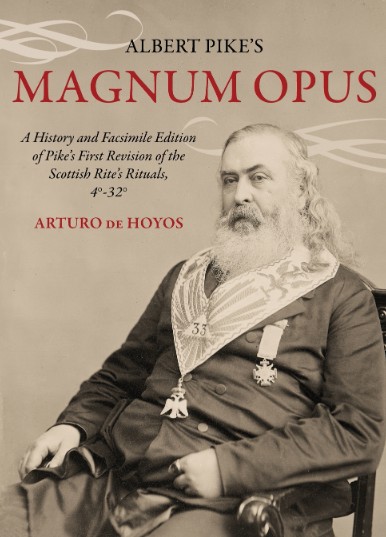
Albert Pike’s Magnum Opus: A History and Facsimile Edition of Pike’s First Revision of the Scottish Rite’s Rituals, 4°-32°
In 1855 the Scottish Rite’s “Mother Supreme Council of the World” at Charleston, S.C., appointed a committee of five persons to review and standardize its initiation ceremonies and rituals. Only one person completed the task, 46-year-old Albert Pike who would ultimately become the most influential Scottish Rite Mason in history.
Light on Masonry: The History and Rituals of America’s Most Important Masonic Exposé
The disappearance and presumed murder of William Morgan in 1826, by Masons, set off an intense anti-Masonic period which lasted until ca. 1842. The fraternity, which was once called the “handmaid of religion,” was denounced as an institution of the devil.
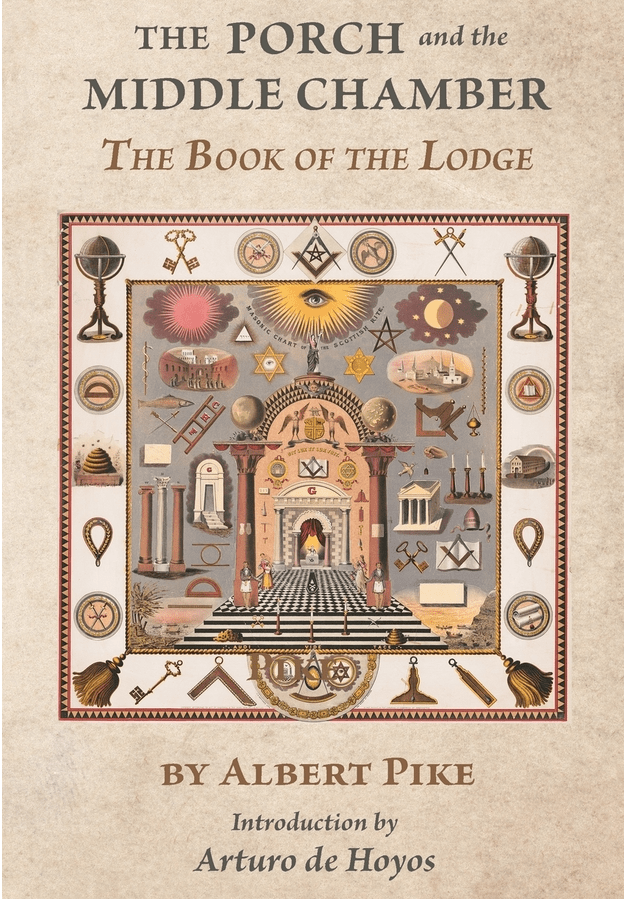
The Porch and the Middle Chamber: The Book of the Lodge
Although not widely used in the United States, the Scottish Rite (the largest Masonic system in the world) has a unique type of ritual which is used in more countries than any other.
Cerneauism and American Freemasonry
LES PLUS SECRETS MYSTÈRES des Hauts Grades de la Maçonnerie Dévoilés (The Most Secret Mysteries of the High Degrees of Masonry Unveiled), edited by M. de Bérage, was an exposé published in 1766 and was the first printed book to give the rituals of the hauts grades (high degrees) of Masonry.

The Most Secret Mysteries of the High Degrees of MASONRY Unveiled
LES PLUS SECRETS MYSTÈRES des Hauts Grades de la Maçonnerie Dévoilés (The Most Secret Mysteries of the High Degrees of Masonry Unveiled), edited by M. de Bérage, was an exposé published in 1766 and was the first printed book to give the rituals of the hauts grades (high degrees) of Masonry.

Masonic Formulas and Rituals: Transcribed by Albert Pike in 1854 and 1855
This never-before-published work includes the complete collection of rituals which Albert Pike received when he joined the Scottish Rite in 1853. After receiving the degrees, Pike borrowed the manuscript rituals, and over the next two years he transcribed his own copies. He later used these texts to create his revision of the Scottish Rite rituals. This book answers the question: “What was the Scottish Rite like before Albert Pike?”

Exploring the Vault: Masonic Higher Degrees 1730–1800
The study of the development of the ‘Higher Degrees’ after 1730 has, for the past century, failed to produce new insights. Previous research has been geographically narrow or limited to one degree or order and thus failed to offer new insights. The authors decided to take a holistic approach, and so geographically covered England, Ireland, Scotland, and of course France, along with Germany and the Netherlands. The study adopted a forensic approach to the available evidence by undertaking detailed reading of the documents found. The discoveries exceeded expectations and the book details their ‘archaeological finds’ – and offers a novel perspective on the development of the Higher Degrees during the eighteenth century.
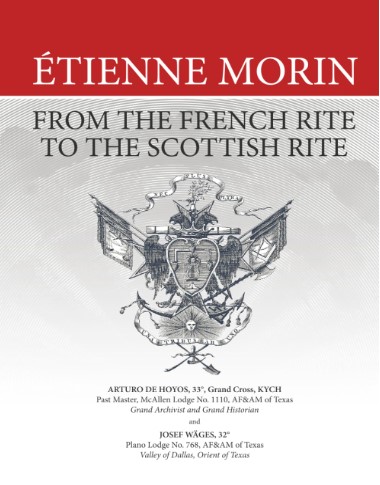
Étienne Morin: From the French Rite to the Scottish Rite
Étienne Morin: From the French Rite to the Scottish Rite presents a fresh perspective on the ancestor of the Ancient and Accepted Scottish Rite, the Order of the Sublime Princes of the Royal Secret from the perspective of the founder of the system himself.

Freemasonry’s Royal Secret: The Jamaican “Francken Manuscript” of the High Degrees
Many have heard of the Thirty-third Degree and the Scottish Rite, but lesser known is that it sprung from an equally important Masonic system. Created by the Frenchman Stephen Morin in the 1760s, the 25-degree system known as the “Order of the Royal Secret” used many of the most important Masonic degrees of the time. With its genesis in the French Caribbean, by 1764 these “high degrees” were established in New Orleans, and by 1767 they were brought to Albany, New York. Ultimately, its rituals were absorbed into the Scottish Rite at its creation in 1801. This original work, copied from a rare manuscript, provides the complete original system, from 4° Secret Master, to 25° Prince of the Royal Secret. Also included are the detached degrees of Select Master of 27°, Knight of the Royal Arch, and Grand Master Ecose, which appeared at the back of the original manuscript.
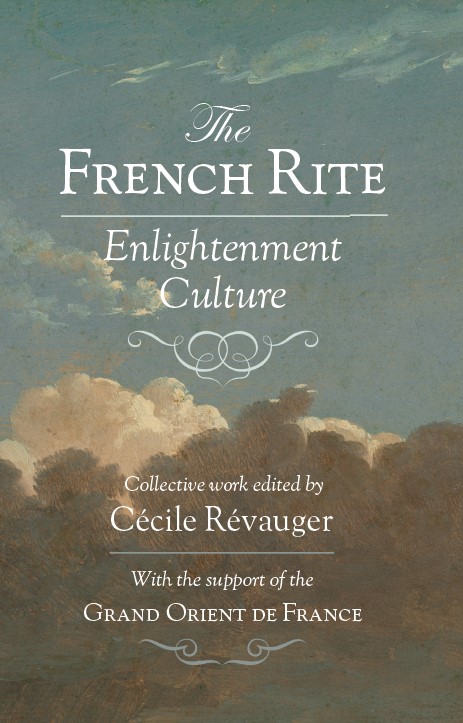
The French Rite: Enlightenment Culture
This book, focused on the French Rite, covers the founding principles of the Enlightenment and their influence on the birth of modern Freemasonry as we know it today. The authors revisit the fundamental values of the Enlightenment, from a rational approach to religious tolerance and cosmopolitanism. The French Rite is the direct heir of the Grand Lodge of England founded in 1717/1721. The philosophical, religious, and political culture of the Enlightenment permeates the French Rite today.
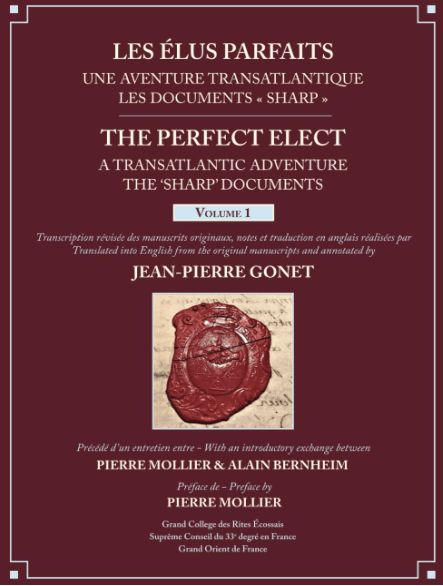
The Perfect Elect: A Transatlantic Adventure the ‘Sharp’ Documents, Volume 1 & 2
The Ancient Accepted Scottish Rite in 33 degrees is the most widespread system of masonic higher degrees worldwide. It was developed in the 18th century, drawing on the most diverse well springs of esoteric traditions and philosophical currents. It is represented wherever Freemasonry is active.
Brethren: Behold Your Supreme Council: Bio-Bibliographical Dictionary of the SGIG and Deputies of the Supreme Council, 33°, Southern Jurisdiction, U.S.A
Brethren: Behold Your Supreme Council is a reference volume about the Leadership of the Scottish Rite in the Southern Jurisdiction of the United States from its inception on May 31, 1801, to present time. During these 222 years, 565 Deputies and Sovereign Grand Inspectors General passed the torch of the “sacred fire” through nine generations.

A Study in American Freemasonry
Arthur Preuss (1871-1934) was a German-American Catholic journalist, editor, and writer. He is best known for his significant contributions to Catholic journalism in the United States and his work as an apologist for the Catholic Church. Preuss was born in Germany and immigrated to the United States in 1890, settling in St. Louis, Missouri.
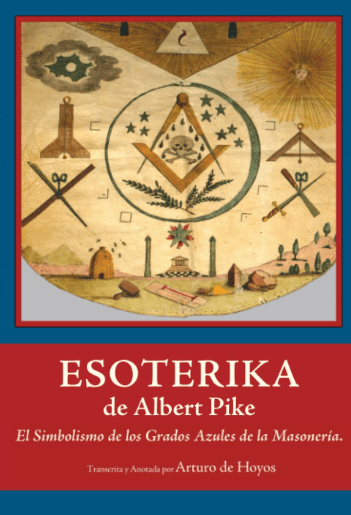
ESOTERIKA by Albert Pike: The Symbolism of the Blue Degrees of Freemasonry
Many of the Freemasonry symbols of our rituals are hidden from everyone in the Order. The symbolic degrees are a vault in which secrets and esoteric teachings are enclosed, whose origin and meaning were transmitted orally in antiquity, many of which today have been lost in the sands of time.
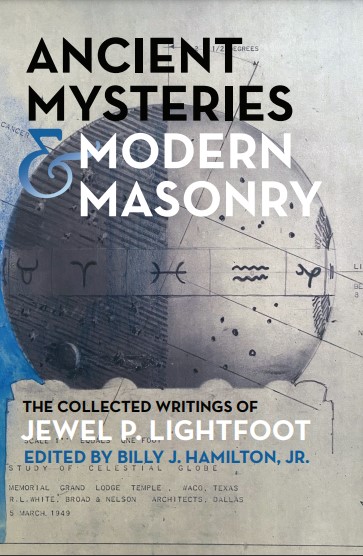
Ancient Mysteries and Modern Masonry: The Collected Writings of Jewel P. Lightfoot
Jewel P. Lightfoot. Former Attorney General of the State of Texas. Past Grand Master of the Masonic Grand Lodge of Texas. From humble beginnings in rural Arkansas, he worked to become an educated man who excelled in law and Freemasonry. He was a gentleman of his time, well-known as a scholar, public speaker, and Masonic philosopher.
This book contains Brother Lightfoot’s recently discovered speeches, essays, and personal notes. In these pages, he walks us through a journey of Masonic symbolism and customs originating in ancient Brahman practices, which were transmitted through the Chaldeans, Egyptians, Hebrews, and into Renaissance Europe.
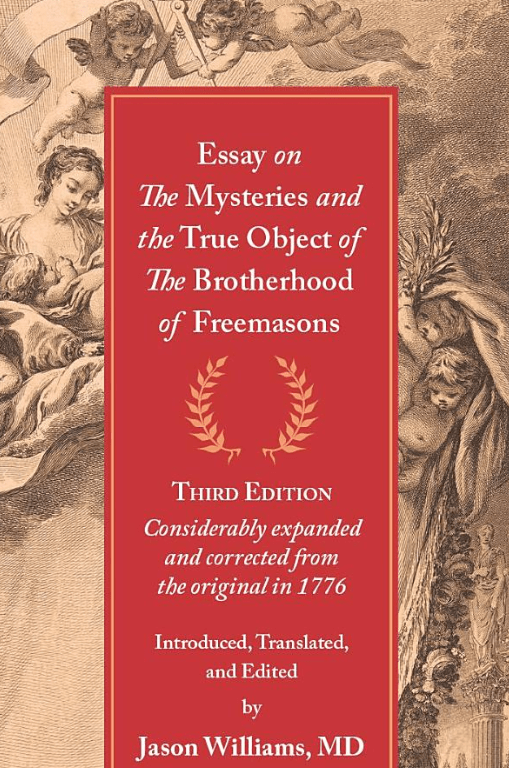
Essay on The Mysteries and the True Object of The Brotherhood of Freemasons: Considerably expanded and corrected from the original in 1776
There is a need for a third edition of Essai sur les mystères. The first English translation (W.H. Reece, 1862) is long out of print and contains errors that may hinder readers’ comprehension of the anonymous 1771 letter it contains. This version, discovered in the Biblioteca Nazionale Centrale di Roma, has edits made to the French by an unknown editor in 1776, potentially making it more faithful to the original. The revisions range from minor corrections to significant changes, such as altering the recipient’s gender. However, the identity of the author and recipient may not be all that germane to the timeless message here: Freemasonry’s role as a society of symbolic philosophers who cultivate their minds, practice virtues, and engage in charity. Additionally, this work compares Freemasonry and ancient mystery groups, underscoring the importance of brotherhood, morality, and goodwill, and also addresses the deceitful attacks Masons have endured for centuries.
James Hoban’s Secret Society
James Hoban’s Secret Society is a pocket guide to Hoban’s fraternal legacy. This concise history delineates the opportunity and rise of a skilled immigrant craftsman in colonial America. Hoban’s family-centric approach to his work helped establish a tight-knit group of professional woodworkers who stayed with him throughout his entire career. Hoban’s work brought credibility and notoriety to the Irish Labor Movement of the 18th century.
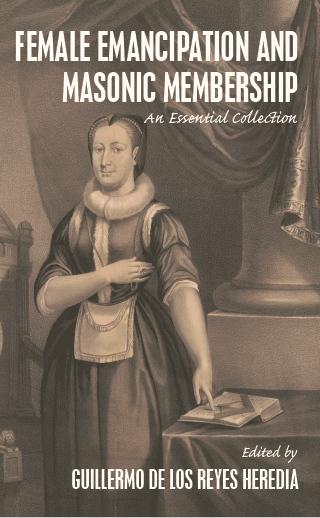
Female Emancipation and Masonic Membership: An Essential Collection
Female Emancipation and Masonic Membership: An Essential Combination is a collection of essays on Freemasonry and gender that promotes a transatlantic discussion of the study of the history of women and Freemasonry and their contribution in different countries such as Cuba, Chile, France, Mexico, Spain, and the United States.
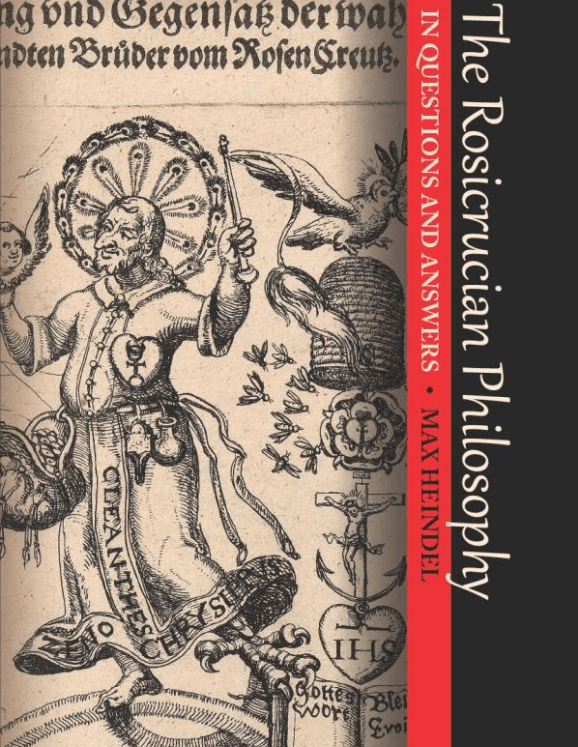
The Rosicrucian Philosophy in Questions and Answers
Rosicrucianism emerged in Europe possibly as early as the 1500s. It had numerous influences. As Michael Maier, a Rosicrucian described it, “Our origins are Egyptian, Brahminic, derived from the mysteries of Eleusis and Samothrace, the Magi of Persia, the Pythagoreans, and the Arabs.” During the 1600s, interest in it throughout Europe spread with the publication of numerous manifestos. Today, there are many groups of Rosicrucians including Masonic Rosicrucian organizations and Esoteric Christian Rosicrucians.
The Spirit Of Masonry
The author, William Hutchinson, F.A.S., passed away on 7th of April, 1814, at the age of 82, after a long career as an attorney, and as an author and devoted Freemason. He penned such works as A History of the County of Durham, A View of Northumberland, A History of Cumberland, and The Spirit of Masonry. He was a Member of the Royal Society of Antiquaries.

Freemasonry, Heir to the Enlightenment
Modern Freemasonry may have mythical roots in Solomon’s time but is really the heir to the Enlightenment. Ever since the early eighteenth century freemasons have endeavored to convey the values of the Enlightenment in the cultural, political and religious fields, in Europe, the American colonies and the emerging United States.
Grand Crosses of the Court of Honour: Concise Scottish Rite Biographical Dictionary
The Grand Crosses of the Court of Honour: Concise Scottish Rite Biographical Dictionary is a commemorative reference volume that provides a brief description about each Scottish Rite Brother awarded the highest honor bestowed by the Supreme Council, 33°.
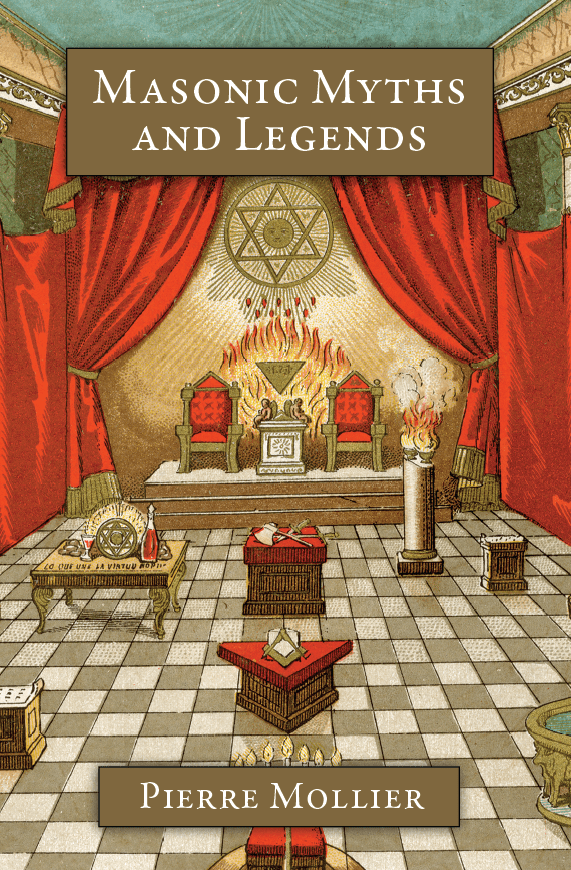
Masonic Myths and Legends
Freemasonry is one of the few organizations whose teaching method is still based on symbols. It presents these symbols by inserting them into legends that are told to its members in initiation ceremonies. But its history itself has also given rise to a whole mythology. Freemasons are the heirs of the builders of cathedrals. They were protected by the Stuart kings in Scotland from the Middle Ages to the Eighteenth Century, and the Stuarts were their secret Grand Masters. Freemasonry preserves the teachings of a primitive Judeo-Christian gnosis. In order to better understand these legends and myths and their significance, Pierre Mollier has studied their origins and attempted to find their sources.
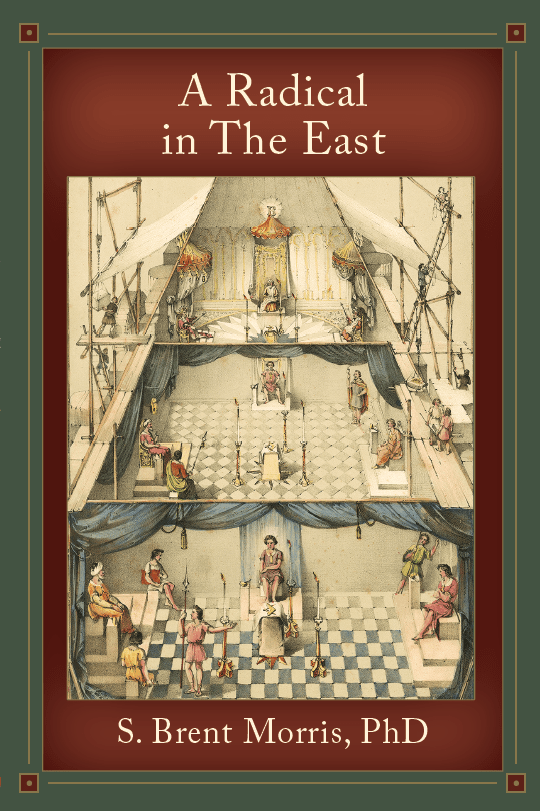
A Radical In The East
The papers presented here represent over twenty-five years of publications by S. Brent Morris. They explore his many questions about Freemasonry, usually dealing with origins of the Craft.
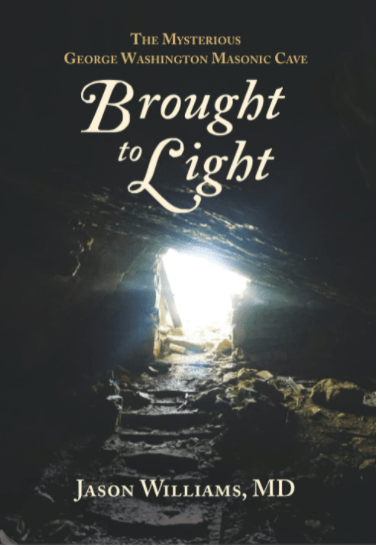
Brought to Light: The Mysterious George Washington Masonic Cave
Purchase in greyscale | Purchase in color by Jason Williams MD The George Washington Masonic Cave near Charles Town, West Virginia, contains a signature carving of George Washington dated 1748. Although this inscription appears authentic, it has yet to be verified by historical accounts or scientific inquiry. Like all great legends, there is probably a… Continue reading Brought to Light: The Mysterious George Washington Masonic Cave
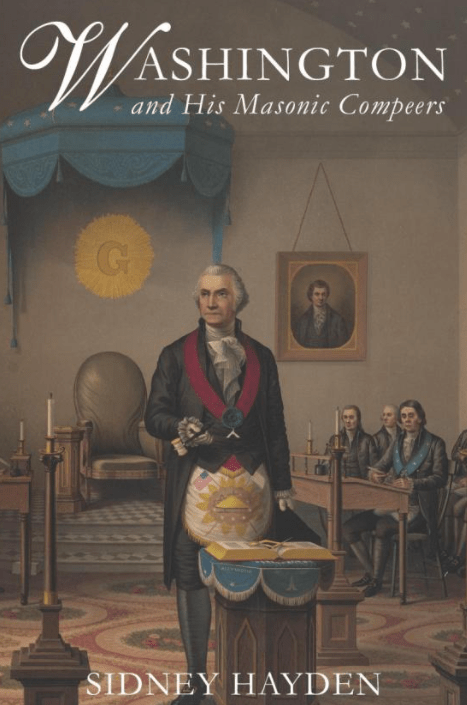
Washington and His Masonic Compeers
by Sidney Hayden Purchase As Sidney Hayden wrote of this work on George Washington and his Masonic pasts, “Biographies of Washington, and the most eminent of our countrymen who were contemporary with him, have been often written so far as relates to their public acts, and in many of them we have also a portraiture… Continue reading Washington and His Masonic Compeers

Storia del Grande Oriente d’Italia (Italian Edition)
by Emanuela Locci Purchase Questo volume è la traduzione italiana di un libro precedente nato con l’intento di colmare una lacuna bibliografica, infatti, fino alla sua pubblicazione non era presente nella letteratura massonica un libro che trattasse in maniera organica la storia della massoneria in Italia, scritto in inglese. Questo volume si proponeva di eliminare… Continue reading Storia del Grande Oriente d’Italia (Italian Edition)

Worlds of Print: The Moral Imagination of an Informed Citizenry, 1734 to 1839
by John Slifko Purchase Plato, Aristotle, Baron Montesquieu, and Jean Jacques Rousseau argued that you could never have a democracy bigger than the geographic size, intimate oral habits, and embodied rituals of face-to-face communication, and walking distance of a Greek city-state, French town, or small Swiss city. However, in the years surrounding the 1776 American… Continue reading Worlds of Print: The Moral Imagination of an Informed Citizenry, 1734 to 1839

Masonry and Protestantism
by Susanna Hopkins Mason Purchase Social history as a corrective to a historiography is often too limited to diplomacy and wars. It began an upward trajectory as early as the 1930s, but it remains constrained by the frustrating cost and availability of materials that even great research libraries lack. This volume is a case in… Continue reading Masonry and Protestantism
Annals of the Hobby Club of New York City, 1912-1920
by New York Hobby Club Purchase In 1908, the Hobby Club was established as a gentlemen’s club. Planned to be a space for people to showcase their special interests, the “object of the Club shall be to encourage the collection of literary, artistic and scientific works; to aid in the development of literary, artistic and… Continue reading Annals of the Hobby Club of New York City, 1912-1920
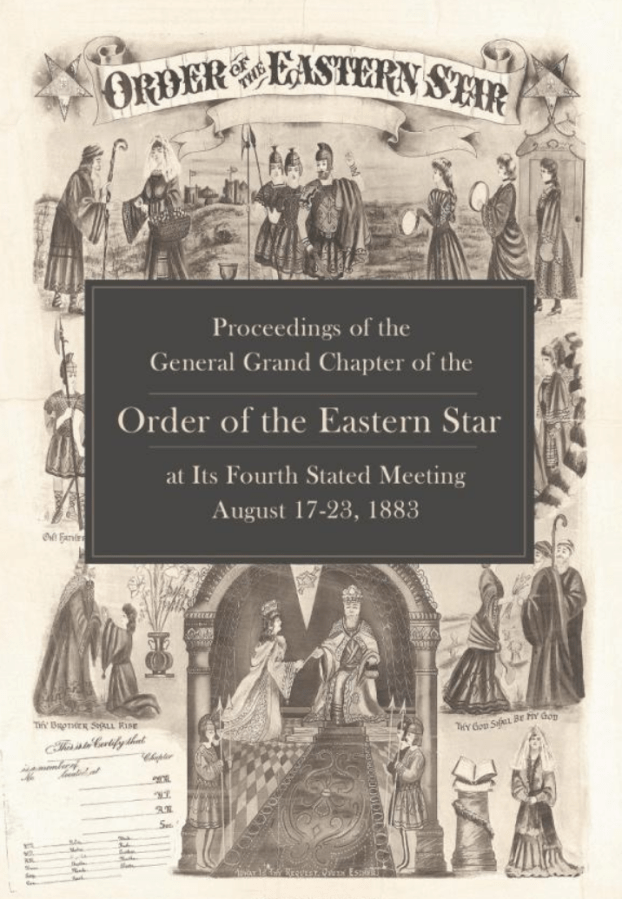
Proceedings of the General Grand Chapter of the Order of the Eastern Star at its Fourth Stated Meeting, August 17-23, 1883
by General Grand Chapter Purchase Social history as a corrective to a historiography is often too limited to diplomacy and wars. It began an upward trajectory as early as the 1930s, but it remains constrained by the frustrating cost and availability of materials that even great research libraries lack. This volume is a case in… Continue reading Proceedings of the General Grand Chapter of the Order of the Eastern Star at its Fourth Stated Meeting, August 17-23, 1883
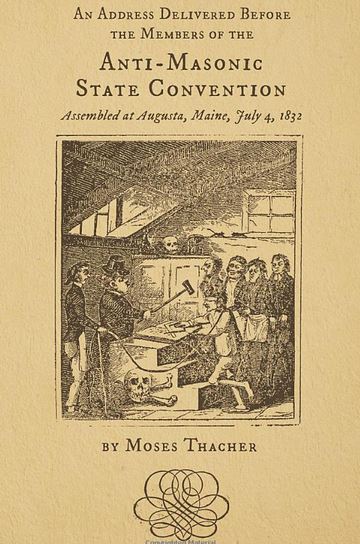
An Address Delivered Before the Members of the Anti-Masonic State Convention: Assembled at Augusta, Maine, July 4, 1832
by Moses Thacher Purchase Moses Thacher was born on November 14, 795 in Princeton, Worcester County, Massachusetts. He was frustrated with the growing number of people involved with Freemasonry in his religious community. He felt the oats one swore as part of Masonic ritual were incompatible with religious doctrine. It became a serious issue for… Continue reading An Address Delivered Before the Members of the Anti-Masonic State Convention: Assembled at Augusta, Maine, July 4, 1832

History of Saint John’s Lodge of Boston
by Saint John’s Lodge Freemasons Purchase Saint John’s is the oldest lodge in the United States and its social history when fully written will be a corrective to a historiography is often too limited to diplomacy and wars. Fraternal organizations like Saint John’s have impacted society for hundreds of years. Yet, over time research into… Continue reading History of Saint John’s Lodge of Boston
History of the Grand Orient of Italy
Emanuela Locci, Editor Purchase The initiative to write this volume comes from the need to fill a bibliographic gap: no book in Masonic literature upon the history of Italian Freemasonry has been edited in English up to now. Thus, it aims to cover this lack and to enter those scholars referring to the English idiom… Continue reading History of the Grand Orient of Italy
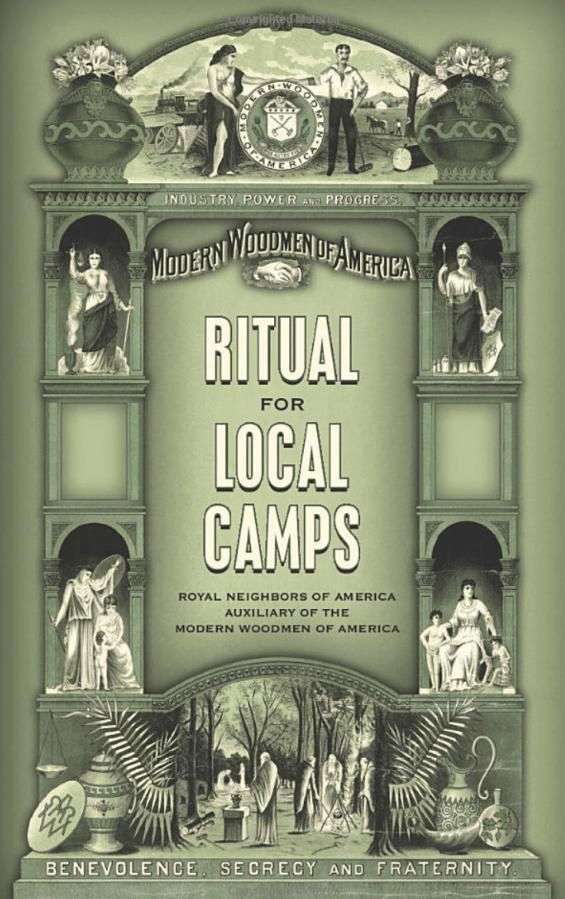
Ritual for Local Camps: Royal Neighbors of America, Auxiliary of the Modern Woodman of America
by Royal Neighbors of America Purchase The early members of the Society were ahead of their time. In addition to providing life insurance for women, they stood firmly behind the women’s suffrage movement. Royal Neighbors was also one of the first fraternal societies to insure children and recognize mortality studies establishing the fact that women… Continue reading Ritual for Local Camps: Royal Neighbors of America, Auxiliary of the Modern Woodman of America

History of the Fraternal Order of Eagles
by J. Fanning O’Reilly Purchase The Fraternal Order of Eagles is an international fraternal organization that was founded on February 6, 1898 in Seattle, Washington by a group of six theater owners. It was initially composed of those who worked within the performing arts. The first meetings were typically social gatherings held on theater stages.… Continue reading History of the Fraternal Order of Eagles

Why Thirty-Three?: Searching for Masonic Origins
by S. Brent Morris, PhD, Introduction by Wallace E. Boston, Jr. Purchase The papers presented here represent over twenty-five years of publications by S. Brent Morris. They explore his many questions about Freemasonry, usually dealing with origins of the Craft. What “high degrees” were in the United States before 1830? What were the activities in… Continue reading Why Thirty-Three?: Searching for Masonic Origins
Pioneering in Masonry: The Life and Times of Rob Morris, Masonic Poet Laureate, Together with the Story of Clara Barton and the Eastern Star
by Lucien V. Rule Purchase through Amazon Social history as a corrective to a historiography is often too limited to diplomacy and wars. It began an upward trajectory as early as the 1930s, but it remains constrained by the frustrating cost and availability of materials that even great research libraries lack. This volume is a… Continue reading Pioneering in Masonry: The Life and Times of Rob Morris, Masonic Poet Laureate, Together with the Story of Clara Barton and the Eastern Star

The Early History and Antiquities of Freemasonry: As Connected with Ancient Norse Guilds, and the Oriental and Mediæval Building Fraternities
by George F. Fort Purchase through Amazon Social history as a corrective to a historiography is often too limited to diplomacy and wars. It began an upward trajectory as early as the 1930s, but it remains constrained by the frustrating cost and availability of materials that even great research libraries lack. This volume is a… Continue reading The Early History and Antiquities of Freemasonry: As Connected with Ancient Norse Guilds, and the Oriental and Mediæval Building Fraternities

Foreign Freemasonry: Its Position vis-a-vis of Christianity and of Catholicity
by D. Moncrieff O’Connor Purchase through Amazon Social history as a corrective to a historiography is often too limited to diplomacy and wars. It began an upward trajectory as early as the 1930s, but it remains constrained by the frustrating cost and availability of materials that even great research libraries lack. This volume is a… Continue reading Foreign Freemasonry: Its Position vis-a-vis of Christianity and of Catholicity
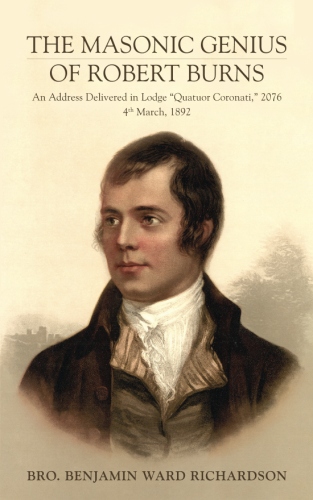
The Masonic Genius of Robert Burns: An Address Delivered in Lodge “Quatuor Coronati,” 2076, 4th March, 1892
by Bro. Benjamin Ward Richardson Purchase through Amazon Social history as a corrective to a historiography is often too limited to diplomacy and wars. It began an upward trajectory as early as the 1930s, but it remains constrained by the frustrating cost and availability of materials that even great research libraries lack. This volume is… Continue reading The Masonic Genius of Robert Burns: An Address Delivered in Lodge “Quatuor Coronati,” 2076, 4th March, 1892
Melodies for the Craft, or Songs for Freemasons Suitable for Every Occasion
by R. Fellow Purchase through Amazon Social history as a corrective to a historiography is often too limited to diplomacy and wars. It began an upward trajectory as early as the 1930s, but it remains constrained by the frustrating cost and availability of materials that even great research libraries lack. One subject getting renewed attention is… Continue reading Melodies for the Craft, or Songs for Freemasons Suitable for Every Occasion
History of Freemasonry in England from 1567 to 1813
by Leon Hyneman Purchase through Amazon Social history as a corrective to a historiography is often too limited to diplomacy and wars. It began an upward trajectory as early as the 1930s, but it remains constrained by the frustrating cost and availability of materials that even great research libraries lack. This volume is a case… Continue reading History of Freemasonry in England from 1567 to 1813

A Place in the Lodge: Dr. Rob Morris, Freemasonry and the Order of the Eastern Star
by Nancy Stearns Theiss PhD Purchase through Amazon UPDATED EDITION Ridiculed as “petticoat masonry,” critics of the Order of the Eastern Star did not deter Rob Morris’ goal to establish a Masonic organization that included women as members. As Rob Morris (1818-1888) came “into the light,” he donned his Masonic apron and carried the ideals… Continue reading A Place in the Lodge: Dr. Rob Morris, Freemasonry and the Order of the Eastern Star
The Great Transformation: Scottish Freemasonry 1725-1810
by Dr. Mark C. Wallace Purchase through Amazon Modern Freemasonry emerged in Britain after 1700 as a prominent fixture in both British communal and social life. It combined earlier stonemason customs and methods of organization with the popular passion for clubs and societies. Some mocked Masonic lodges and their rituals, but they were an accepted… Continue reading The Great Transformation: Scottish Freemasonry 1725-1810
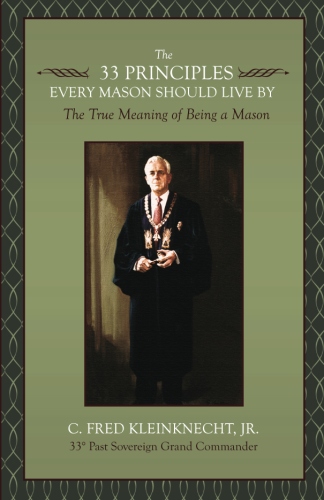
The 33 Principles Every Mason Should Live By: The True Meaning of Being a Mason
by C. Fred Kleinknecht Jr. Purchase through Amazon In 1947 Fred took a job at the House of the Temple, literally learning the Scottish Rite from the ground floor to eventually becoming Grand Commander. He was Grand Commander from October 23, 1985 to October 7, 2003. Fred wanted the organization to be “first class” in all… Continue reading The 33 Principles Every Mason Should Live By: The True Meaning of Being a Mason

 Westphalia Press